Religious women more receptive on dating
A new study finds women's religious beliefs influence their swiping behavior on apps like Tinder, with more religious women showing broader initial
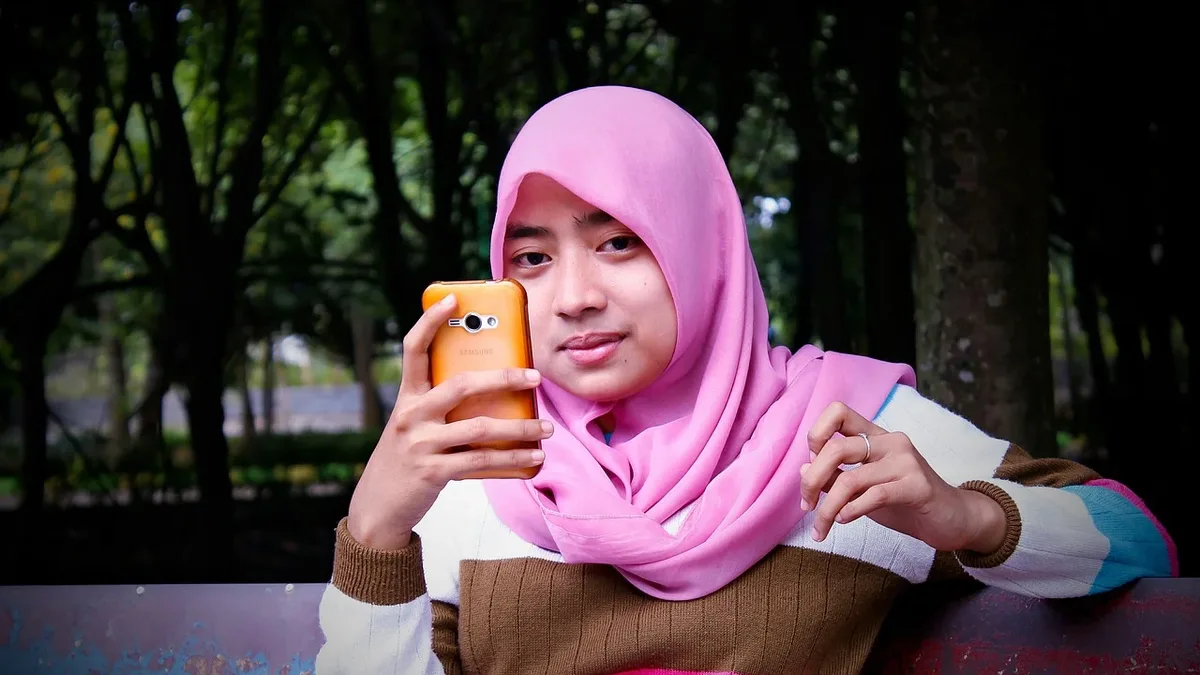
A woman's level of religious belief influences how she evaluates potential partners on swipe-based dating apps like Tinder, a new study suggests. The research indicates more religious women show a broader initial receptivity to men's profiles in a simulated swiping task.
When handling these platforms, women often face a trade-off between evaluating a potential partner's genetic fitness and their willingness to invest in a relationship. The study, conducted by Katherine L. Sheetz and Professor Lisa L. M. Welling of Oakland University, examined how facial features, profile text, and a woman's own religiosity shape those rapid, low-consequence choices.
How the study worked
The study involved 439 single cisgender women, aged 18 to 38, who were primarily attracted to men. Participants first completed questionnaires about their religious beliefs and motivations for using dating apps. They then completed a simulated Tinder task, viewing 20 distinct male dating profiles each featuring a photograph and a short biography.
The researchers manipulated the photographs using software to make faces appear either 50 percent more masculinized or 50 percent more feminized. They also wrote two types of 500-character biographies: trustworthy ones with verifiable, specific information, and untrustworthy ones with exaggerated achievements and vague job descriptions. Participants had to accept or reject each profile.
The influence of faces and bios
Facial features strongly guided the women's choices. Profiles featuring masculinized faces had approximately 56 percent lower odds of being accepted compared to profiles with feminized faces. This aligns with earlier research suggesting women often view more masculine men as less trustworthy and more likely to be unfaithful.
The biographic text yielded unexpected results. Instead of favoring honest profiles, women showed a preference for the exaggerated text. Profiles with untrustworthy biographies had about 24 percent higher odds of acceptance compared to those with straightforward, trustworthy biographies.
“We were also surprised that profiles containing our ‘untrustworthy’ biographies were accepted more often,” Welling told PsyPost. She suggested participants may have been responding to other characteristics like perceived confidence, rather than simply preferring less trustworthy partners.
The role of religious belief
A woman's level of religious belief played a significant role, but not in the direction the researchers predicted. They had expected religious women, whose norms often emphasize long-term stability and sexual restraint, to be more cautious. Instead, higher religiosity predicted higher overall profile acceptance across the board.
For each one-unit increase on the study's seven-point religiosity scale, the odds of a profile being accepted increased by roughly 38 percent. “The main takeaway is that religiosity was associated with greater initial receptivity to potential partners...” Welling noted.
She cautioned that this measured an early-stage decision in a controlled task, not real-world dating outcomes. Our findings suggest that religious women are more likely to be open to dating men with a greater range of characteristics, but not that they necessarily would accept more men after that initial swipe, Welling clarified.
User motivation matters
In exploratory analyses, the researchers found that a woman's reason for using the app also affected her choices. The study measured motivations on a scale, with higher scores indicating stronger agreement with statements about using apps for relationships, entertainment, or exploration.
Women who used the apps with the specific goal of finding a committed relationship were significantly more selective, accepting fewer profiles overall.
The researchers noted several caveats. The simulated task was not a fully interactive app, and accepting a profile might reflect general openness rather than romantic intent. Welling emphasized the biography finding should not be misinterpreted as women preferring dishonest men, as the text manipulations may have conveyed other traits like confidence or social status. The study's measure of religiosity combined both social activities, like attending services, and personal beliefs.