Brain Connectivity Differences in Autism
A meta-analysis finds structural differences in long-range brain pathways in autistic individuals, while a separate look at domestic life reveals how thermostat disputes can fuel relationship conflict.

New research provides a clearer picture of the structural brain differences associated with autism, while a common household disagreement-the thermostat war-highlights how clashing comfort needs can strain romantic partnerships. These are two separate stories about relationship dynamics, one internal and neurological, the other interpersonal and domestic.
Brain Structure in Autism
Christy D. Yoon of the University of Wisconsin-Madison and colleagues published a meta-analysis in Biological Psychiatry: Cognitive Neuroscience and Neuroimaging. The team pooled data from 66 diffusion tensor imaging studies, involving 2,231 autistic and 1,856 typically developing participants aged 2 to 50, to examine white matter microstructure. They found autistic individuals showed moderately lower fractional anisotropy, a measure of nerve fiber organization, in nine key white matter tracts.
The analysis also revealed moderate-to-large increases in mean diffusivity, indicating freer water movement, in eight of those same tracts. The largest difference in mean diffusivity was observed in the arcuate fasciculus, a pathway involved in language. Many of the affected pathways are long-range connections between distant brain regions, which the authors say supports theories that autism involves atypical long-range connectivity. The size of the observed differences varied with study characteristics, tending to be smaller in studies with participants who had higher average IQs or were older.
Thermostat Wars at Home
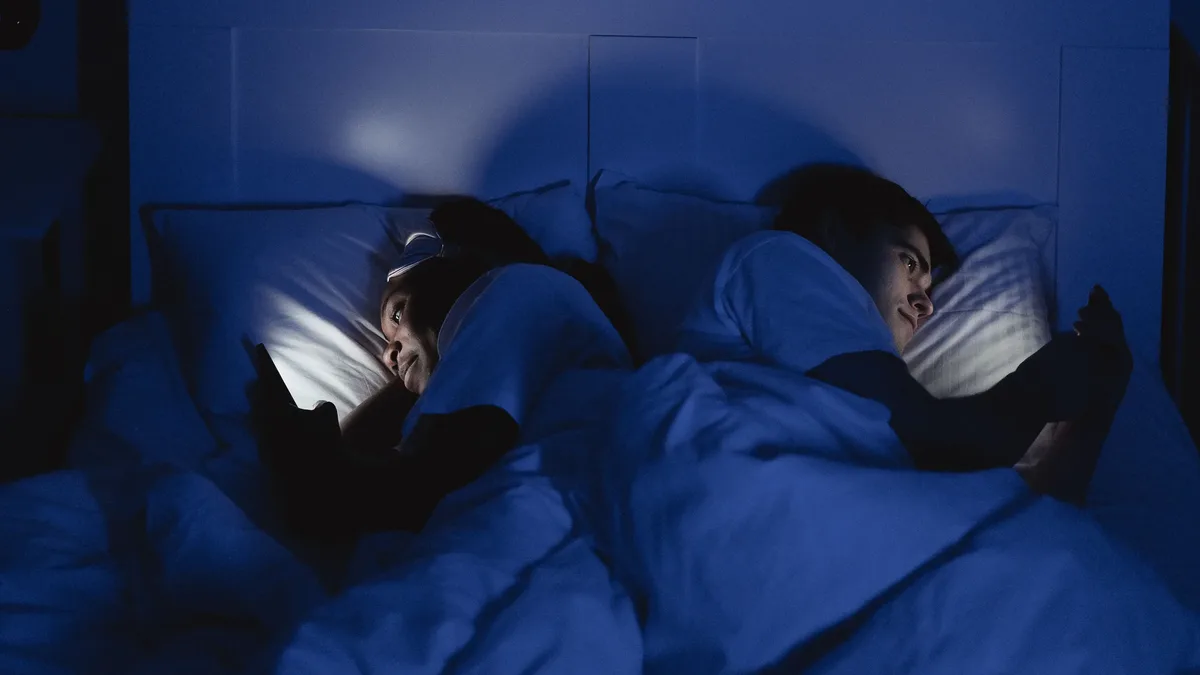
Disagreements over home temperature are a frequent and potent source of couple conflict, especially during winter. A recent American survey found 44% of couples admit to secretly changing the thermostat after their partner falls asleep, and nearly two-thirds disagree on bedroom climate. Technology, like app-controlled thermostats, has enabled new forms of quiet rebellion in these domestic standoffs.
One woman, Sheena, described ending bitter arguments by secretly overriding her husband's temperature adjustments via a boiler app. "Now, when he turns the boiler down to 15C, instead of shouting, I smile good-naturedly," she said. Once in bed, she uses her phone to raise the temperature back to 21 degrees. She believes his insistence on a cold room is less about comfort and more about occupying "the moral high ground" on environmental and financial matters. The conflict often splits along gender lines, with women generally feeling colder, leading to creative retaliations like wearing a parka to bed.