
Endings
Teen Risk-Taking and the Power of Reparenting
Two separate stories explore core relationship dynamics: one examines why teenagers take risks.
Every Relationships story tagged Endings.
Two separate stories explore core relationship dynamics: one examines why teenagers take risks.
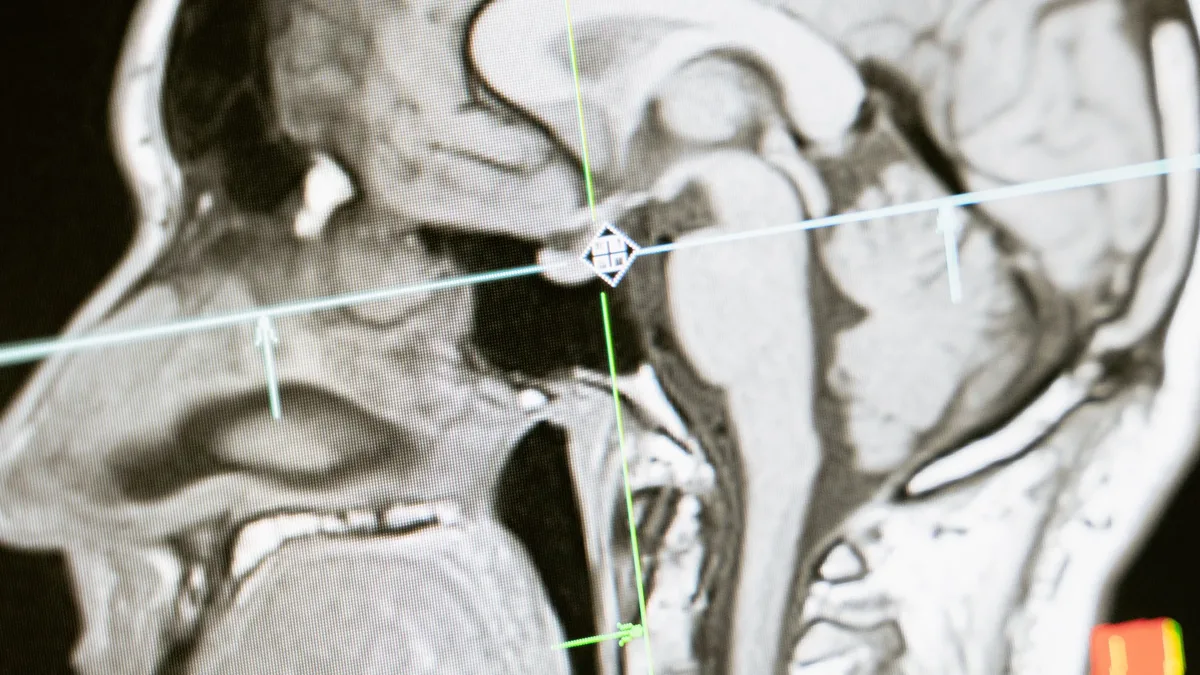
Experts clarify the difference between a high sex drive and compulsive sexual behaviour.

A new study finds the relationship between using screens to soothe children and their cognitive development is often bidirectional.

A woman recalls how her high school boyfriend's impulsive act of sneaking out to buy her hot chips made her abandon her plan to break up with him.

Sex and relationship experts argue that focusing on how often couples have sex is misguided.

A new study catalogues over 9,000 distinct strategies women envision using to defend against sexual violence.

A UK study found that while single women in their twenties embrace independence and self-growth, many expect increasing pressure to partner as they age.

Women's Aid will distribute a new government fund to support survivors of abuse impacted by a prisoner early release scheme.

A new study of 303 Romanian adults finds emotional infatuation with someone outside a relationship is predicted by high psychopathy, high openness to casual sex.

A classicist compares modern fears about social media's effect on children to ancient Greco-Roman worries that theater could blur reality.

A study of 4,745 children found girls fed human breast milk, especially for four months or more without other foods, showed less advanced puberty at age 10.

Psychotherapist Anna Mathur explains that female rage is not a character flaw but a warning signal of an overloaded nervous system.

The Gottman Institute explores five common relationship myths that persist despite decades of research.

Parents rely on baby monitors to keep an eye on their children, but these devices also collect sensitive data and pose security risks.

Positive affirmations can boost self-esteem and mental health, but their effectiveness varies. Research shows they work best for those with high self-esteem, while others may experience negative effects. Toxic positivity and over-reliance on affirmations can also be harmful. Self-compassion and third-person self-talk may offer more balanced alternatives.

A study analyzing data from the Adolescent Brain and Cognitive Development Study (ABCD Study) found that children with ADHD show reduced glial cellularity and axonal organization in white matter tracts, with these changes persisting into early adolescence. The research highlights the neural basis of ADHD and its impact on brain development.