
Becoming Parents Together
| Relationship situation | Couples considering or planning to start a family |
|---|---|
| Core skill | Long-term planning and mutual support |
| Original use | Strengthening partnership foundations before parenthood |
| First documented | Late 20th century |
| Key activity | Collaborative future-oriented tasks |
| Typical setting | Home or significant location |
| Outcome focus | Shared vision and practical preparation |
Origin and history
The concept of "Becoming Parents Together" as a distinct category of intentional date ideas emerged in Western cultures, particularly in the United States and Western Europe, during the late 20th century. Its formalization correlates with broader societal shifts toward planned parenthood and shared parenting responsibilities. This period saw a move away from viewing child-rearing as a default next step, toward seeing it as a deliberate project requiring mutual preparation. The idea gained structured form through parenting books, relationship workshops, and online forums from the 1990s onward. It reflects a modern emphasis on partnership alignment before the arrival of children, addressing the transition from a couple to a family unit. The terminology itself became common in relationship advice literature and on dedicated websites in the early 2000s.
What it is for
This date type is for established couples who are seriously considering or planning to have children together in the near future. Its primary function is to proactively build shared skills, values, and practical frameworks for co-parenting before a child arrives. These dates aim to surface and discuss fundamental parenting philosophies, discipline styles, and logistical expectations in a low-pressure setting. They serve to strengthen the partnership's teamwork and communication under simulated or preparatory stressors related to child-rearing. The goal is to transform abstract discussions about having kids into concrete, experienced-based understanding. Ultimately, it is for mitigating the common relationship strain that occurs after a baby arrives by laying a more resilient foundation.
Becoming Parents Together date ideas
A practical date involves jointly caring for a friend's or family member's infant or toddler for a full weekend to experience sustained responsibility. Attending a pediatric first-aid or infant CPR certification class together transforms a necessary skill into a collaborative learning activity. Visiting different neighborhoods or schools while discussing priorities for a family home environment makes future planning tangible. Spending an afternoon assembling nursery furniture or organizing a future baby's room tests patience and cooperative problem-solving. Volunteering together at a local children's charity or event can reveal each partner's natural interactions with kids in a social setting. Creating a detailed mock budget that includes projected costs of childcare, education, and healthcare forces a realistic financial conversation.
Overview
Becoming Parents Together dates are a form of targeted relationship investment focused on the major life transition to parenthood. They are characterized by activities that either simulate caregiving tasks or directly prepare for the practical realities of raising a child. Unlike romantic or social dates, their success is measured not by immediate enjoyment but by the quality of communication and alignment they foster. These dates often involve elements of education, logistical planning, and ethical discussion alongside hands-on practice. They exist on a spectrum from lighthearted preparatory activities to intense, revealing simulations of parental stress. The overarching theme is the conscious construction of a co-parenting alliance within the romantic partnership.
What to know
These dates can surface significant, previously hidden disagreements about values, finances, and family roles that must be navigated carefully. The skill being developed is not simply childcare technique, but the more critical skill of maintaining a strong partnership under the fatigue and pressure of parenting. It is crucial to enter these dates with a commitment to non-defensive listening and to avoid treating them as tests or audits of one's partner. Many couples benefit from setting a specific discussion agenda beforehand to prevent conversations from becoming overly broad or anxiety-inducing. Success often means uncovering a disagreement and learning to manage it constructively, not necessarily achieving perfect harmony on every topic. Professionals recommend spacing these dates out and balancing them with purely recreational time to prevent the relationship from becoming solely project-focused.
Common questions
Couples frequently ask if these dates are necessary if they already agree they want children, and the answer is that agreement on the goal is different from alignment on the execution. A common concern is whether a bad experience during one of these simulated dates, like a difficult babysitting stint, should deter them from parenthood, which it typically should not as it is a learning tool. Many wonder when to start these dates, with advice generally suggesting the period after a mutual decision to try for a child but before conception or during pregnancy. People ask how to handle fundamental disagreements revealed during these activities, which often requires seeking pre-parenting counseling or mediation. Another question is whether single-day activities are sufficient, while most experts recommend a series of varied dates over time to build competence and understanding.
Pros and cons
A major pro is the potential to identify and negotiate major parenting disagreements in a calm, pre-child environment rather than during the sleep-deprived first year of an infant's life. These dates can build a reservoir of shared practical knowledge and confidence, making the actual transition feel less daunting. They actively strengthen the teamwork dynamic of the couple, which is the cornerstone of effective co-parenting. A significant con is that these dates can feel unromantic, transactional, and stressful, potentially adding pressure to the relationship during what may be the last period of coupledom freedom. The common mistake is using these dates to keep a scorecard of a partner's performance, which breeds resentment rather than collaboration. Individuals who regret this approach are often those who discovered irreconcilable differences in parenting vision too late, or those who let the preparatory process completely overshadow their romantic connection.
Who it suits
This date type suits pragmatic couples who view major life transitions as projects to be managed collaboratively through preparation and open communication. It is highly suitable for partners who have little direct experience with infants or children and want to build foundational skills together. Couples who have witnessed significant relationship breakdowns in friends or family after the birth of a child may be particularly motivated to invest in this preparatory work. It also suits older first-time parents or those who have established careers and are accustomed to planning and research. It is less suited for couples in the very early stages of discussing children, where more abstract conversation dates are appropriate, or for those where one partner is highly resistant to structured preparation. It is generally not recommended as a tool to convince a hesitant partner to have children, as the pressure can be counterproductive.
Latest Becoming Parents Together news
Latest reporting

Couple says open marriage strengthens their long-term bond
A couple with three children explains how ethical non-monogamy has helped them maintain intimacy and see each other as partners, not only co-parents...

Pilot's radio proposal to air traffic controller marks 25
A pilot fell for an air traffic controller's voice before meeting her, leading to a public cockpit marriage proposal and 25 years together.

Shared awe boosts relationship satisfaction
A study finds couples who experience awe together report higher relationship satisfaction and depth than those who have individual awe experiences.
Parental mental health predicts later sleep
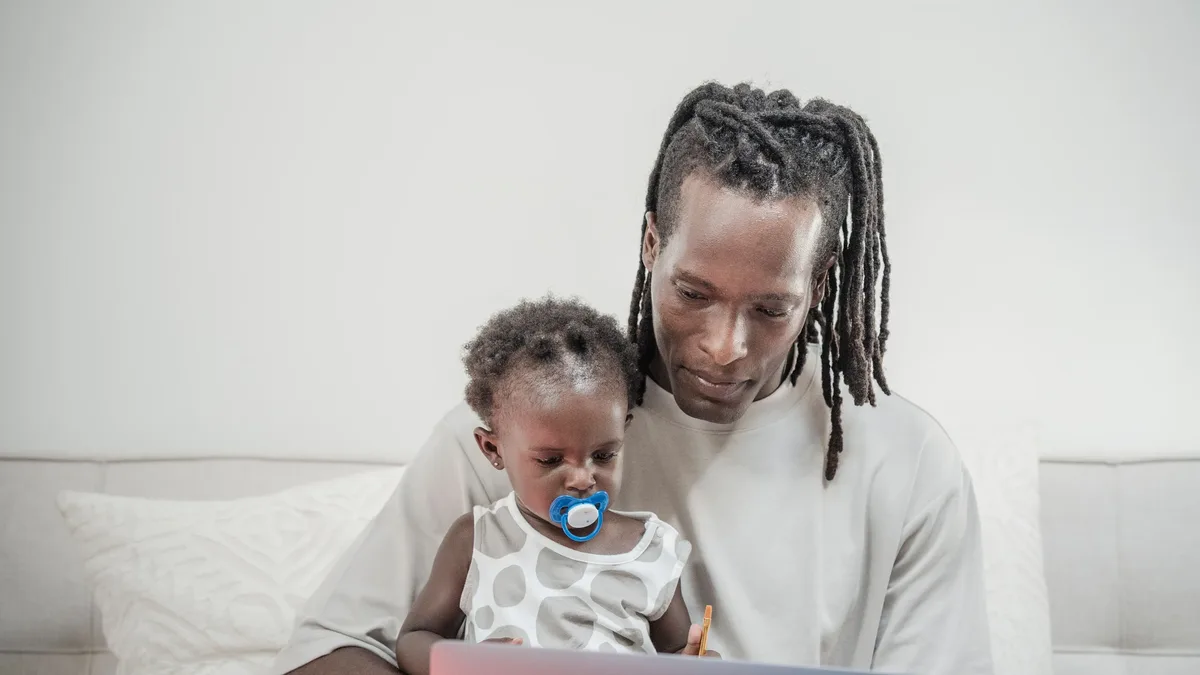
A year-long Israeli study shows that depression and anxiety in new parents forecast poorer subjective sleep quality a year after birth, especially in...

Baby Monitors Raise Data Security and Privacy Concerns
Parents rely on baby monitors to keep an eye on their children, but these devices also collect sensitive data and pose security risks.