Active Listening
United States (as a formal concept in... · 1940s to 1950s (as a formally defined and...
Skills on Pair and Bond: Communication and being heard, Conflict without damage, Repair after an argument, Boundaries, Listening and Expressing needs.
United States (as a formal concept in... · 1940s to 1950s (as a formally defined and...

Concept present in all human cultures · Ancient philosophical and religious texts...

A relationship skill for resolving... · Improving interpersonal communication and...

To provide pre-planned dialogue for... · Opening, middle, and closing phases

United States · 1970s

Not applicable (psychological concept) · Ancient times (discussed in classical...

Relationship management · Managing personal privacy and...

United States (in psychological... · Mid-20th century (concept formalized in...

Psychological and social practice, no... · Mid-20th century in clinical psychology...

Equitable distribution of invisible... · Promoting fairness and reducing burnout...
A new study explores how intelligence earns social prestige by benefiting a group, while a relationship expert examines how betrayals beyond physical infidelity can damage trust between partners.

John Gottman's research identifies four destructive communication patterns-Criticism, Contempt, Defensiveness, and Stonewalling-that predict relationship distress, and offers specific, practical antidotes for each to foster healthier interactions.

A Refuge and EVAW report reveals 36% of UK women experience online violence, with rates soaring for younger and LGBTQIA+ women.

Psychologists explain why minor daily irritations can spiral into significant stress.

Psychologists and therapists warn that outsourcing emotional support, conflict resolution, and decision-making to artificial intelligence is eroding core human capacities.

Psychologist Cinzia Pezzolesi explains that comfort eating is driven by the brain's reward system, which links pleasurable foods with feeling good.

A psychotherapist explains that fear of being wrong is a biological threat response, often rooted in childhood.
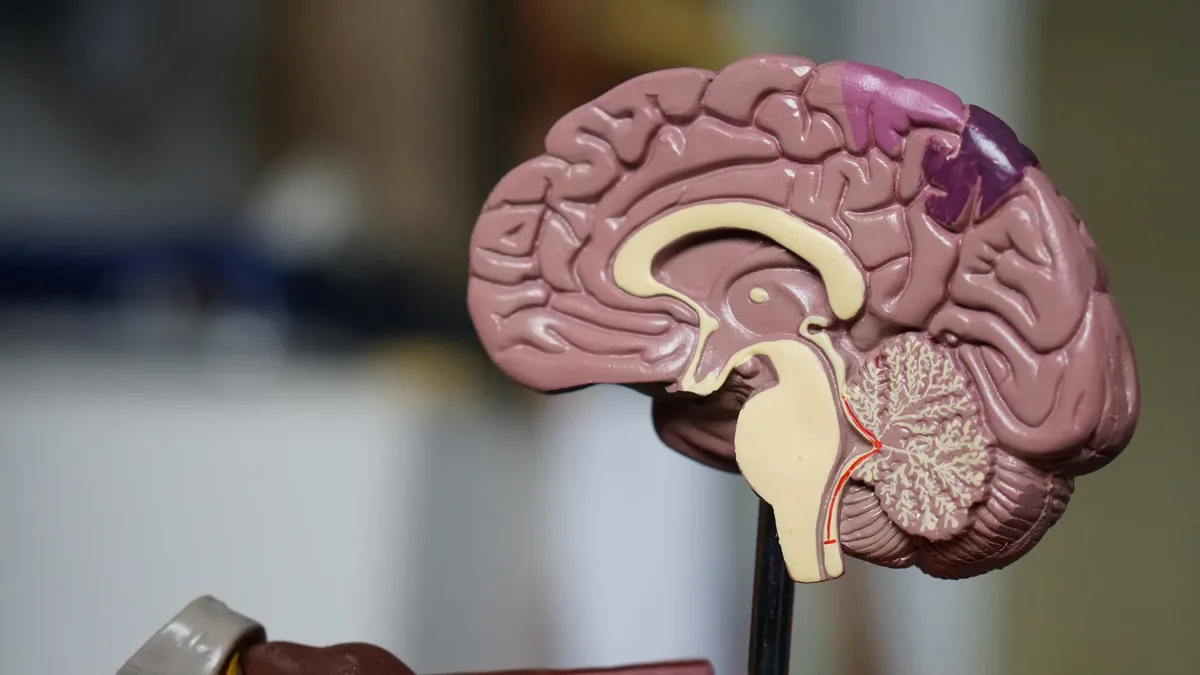
A new study identifies two distinct inflammatory pathways in Alzheimer's disease, each linked to different types of brain damage.

Research shows group singing improves quality of life and communication for adults with brain conditions like Parkinson's and dementia.

A new analysis of 24 years of Gallup data shows the political gender gap on social and cultural issues has not widened.

Believing in free will is linked to better daily well-being, and studies show that promoting this belief can directly boost positive emotions.

In May 2024, a 21-year-old began a 30-day rejection experiment. He expected ridicule but found strangers offering generosity instead.

Children's artwork showcased in a first-of-its-kind exhibition, celebrating their voices and experiences.

Research from England and Wales reveals that e-scooter crashes result in higher rates of traumatic brain injuries compared to motorcycle accidents, with riders' heads being the most affected area.