Group singing improves brain health
Research shows group singing improves quality of life and communication for adults with brain conditions like Parkinson's and dementia.
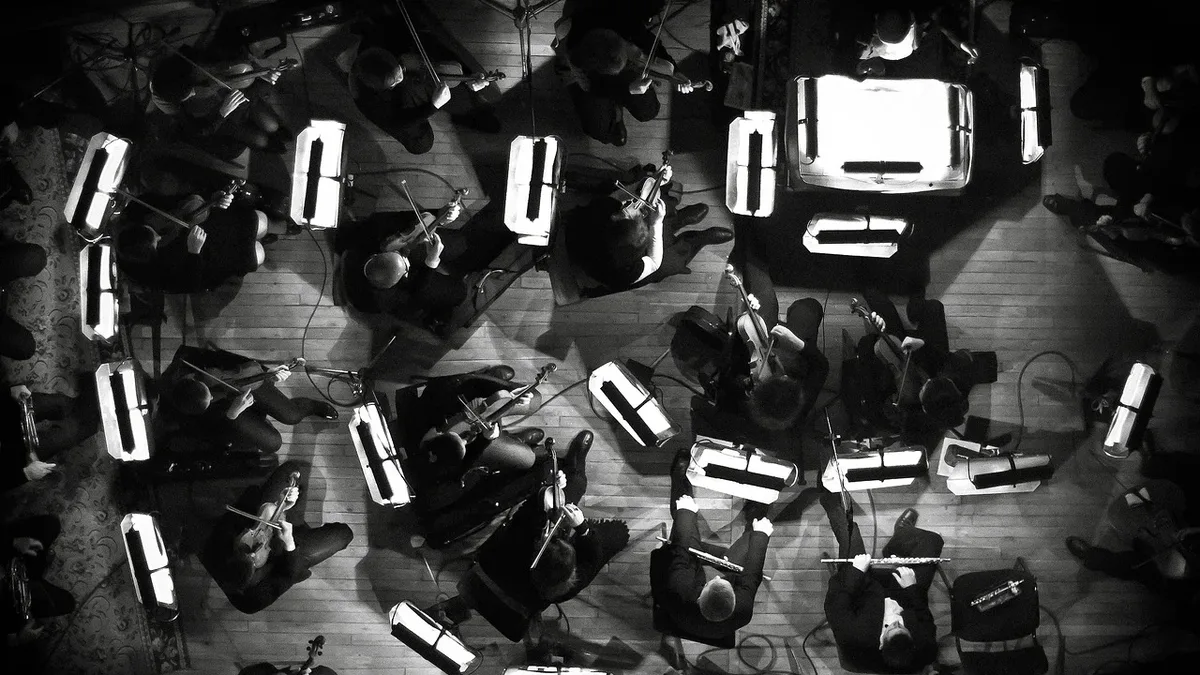
A University of Auckland study has found that singing in a choir can improve self-reported quality of life for adults with brain injuries and dementia as much as for choir members without communication disabilities. The research, centered on the CeleBRation Choir launched almost two decades ago, shows singing helps people overcome difficulties with speech, language, voice, and memory.
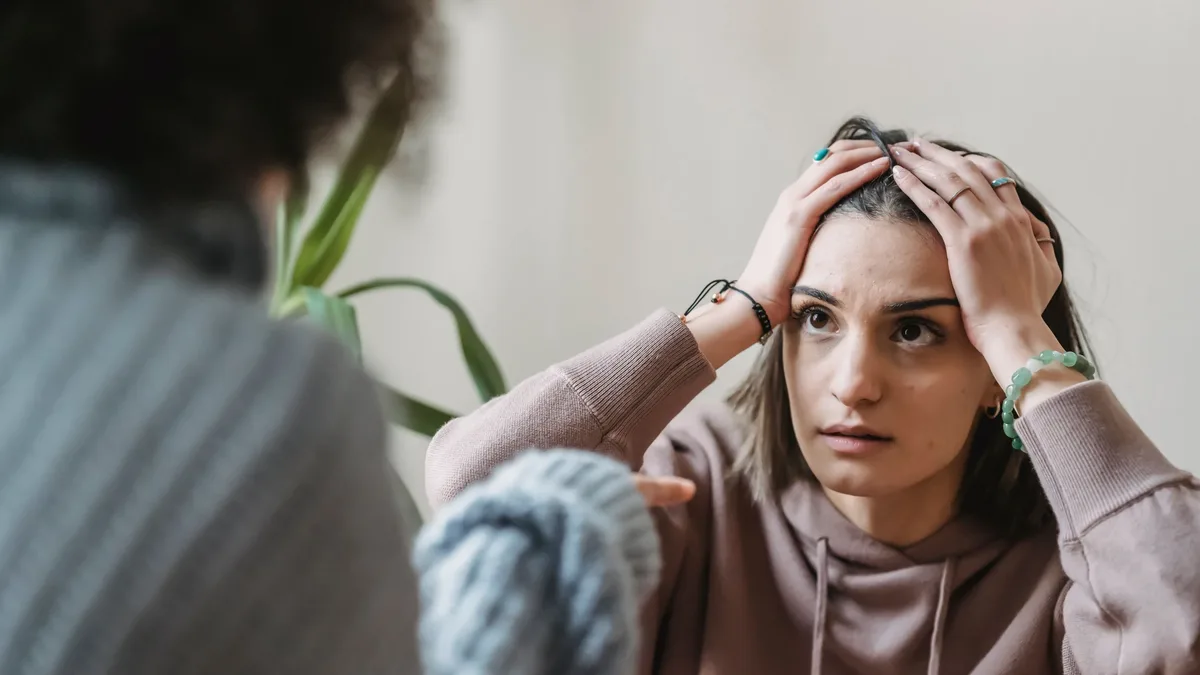
Brain conditions such as Parkinson's disease and dementia often impair communication. This can undermine confidence and lead to social isolation. Singing in a neurological choir, a group designed for those with acquired brain injuries and neurodegenerative disorders, reduces this isolation and the sense of loss after diagnosis.
Singing as therapy
The body uses similar mechanisms for speech and singing. Both engage the lungs, voice mechanisms, and overlapping brain pathways. People with Parkinson's disease, who may struggle to articulate speech or breathe adequately to project their voice, can speak more loudly and clearly through singing.
A stroke or brain injury can cause aphasia, a language disorder that makes finding words and processing speech difficult. Singing words in a song allows people to practise vocalising without the battle to find all the right words. Stroke survivors can often sing favourite songs more fluently than they can speak.
Emotional connection through song
Singing taps into emotional and autobiographical memory. Songs from a person's youth can prompt lively conversations even if they seldom speak. Group singing increases levels of brain chemicals that boost mood. It raises oxytocin, a hormone that fosters human connection, and endorphins, the feel-good hormones. At the same time, cortisol levels fall, encouraging stress release and relaxation.
No prior singing experience is required to join a neurological choir. Some participants are lifelong singers. Others summon courage to quell self-consciousness or fear about singing. Once in the room, the sense of camaraderie is contagious.
Music that is well-known and well-loved is key, making singing easier for people with aphasia and dementia. Picking everyone's favourite songs can be a challenge in large, multi-generational groups, so a varied repertoire needs to be negotiated. Songs with complex verses and repetitive choruses offer a blend of challenge and accessibility.
Internationally, therapeutic choirs are often for one type of brain condition, like Parkinson's choirs. In Aotearoa New Zealand, many neurological choirs are more inclusive, open to people with a variety of brain conditions. The researcher, after co-founding the CeleBRation choir, created The VOCCAL Handbook for anyone wanting to start their own neurological choir. The need is clear, as one in three New Zealanders will be affected by a neurological condition in their lifetime.