Menopause Unmasks Autism and ADHD in Women
A women's health expert explains how hormonal changes during perimenopause can reveal previously undiagnosed ADHD and autism in midlife women, highlighting
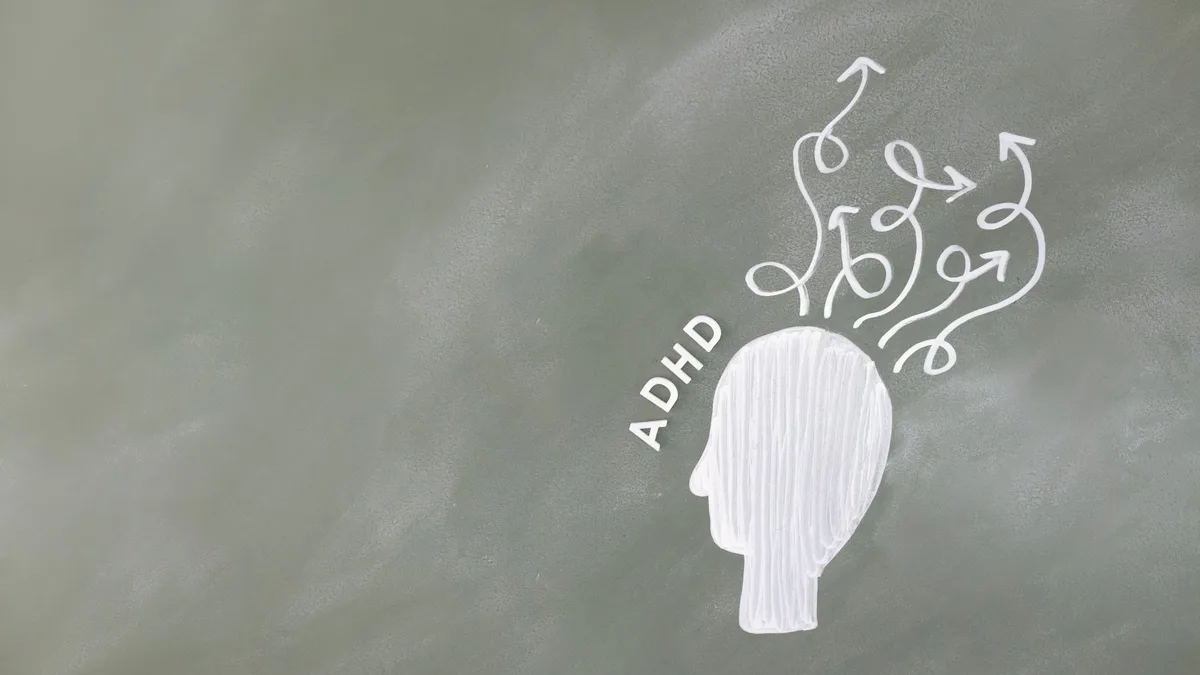
The hormonal shifts of perimenopause are leading many women in their 40s and 50s to receive unexpected diagnoses of ADHD or autism. According to Dr. Jolene Brighten, a women's health expert, more than 50-75 percent of women with ADHD reach adulthood without realizing their brain is wired differently, with perimenopause being a significant time for diagnosis to occur.
Dr. Brighten notes that women often assume they are experiencing 'menopause brain' when cognitive struggles emerge. 'Women tell me, "I've always been able to juggle everything, but now I can't finish a sentence,"' she comments. The expert argues that for many, menopause does not cause these conditions but removes neurological support that helped mask lifelong neurodivergent traits.
Why Diagnosis Comes Later for Women
Decades of research focused mainly on boys, creating diagnostic criteria based on male presentations. Dr. Brighten explains that women with ADHD wait, on average, four years longer than men for the right diagnosis and treatment. In the interim, they often get labeled as depressed or dramatic.
Girls with ADHD frequently become perfectionists, people pleasers, or high achievers, using intelligence and structure to compensate. Autistic girls often become expert 'maskers,' consciously studying social rules and suppressing repetitive behaviors. These adaptations can work for decades until perimenopause disrupts them.
How Hormones Affect Brain Function
Estrogen and progesterone play crucial roles beyond reproduction. Dr. Brighten states that estrogen is one of the brain's most important signaling molecules, influencing key neurotransmitters like dopamine and serotonin. It also supports mitochondrial energy production and helps regulate neuroinflammation.
When estrogen declines during perimenopause, mitochondrial efficiency falls and brain inflammation can increase. This leads to fatigue, brain fog, and executive dysfunction. Progesterone decline also removes a source of neurological stability, as its metabolite enhances the brain's primary calming neurotransmitter, GABA. Disrupted sleep from these hormonal changes can further exacerbate ADHD and autistic symptoms.
'Rather than thinking about menopause as causing ADHD or autism, it's more accurate to think of declining ovarian hormones as removing layers of neurological support that helped compensate for existing differences in brain function,' Dr. Brighten adds.
Distinguishing Menopause from Neurodivergence
Perimenopause and ADHD or autism can share symptoms like brain fog, forgetfulness, and anxiety. Dr. Brighten says the most important clue is timing. Menopause-related symptoms emerge during the menopausal transition and often resolve within two years after the final menstrual period as the brain adapts.
In contrast, ADHD and autism are neurodevelopmental, meaning signs were present long before hormonal changes, even if unrecognized. Women may look back and realize they were always the child who lost everything, felt exhausted after social events, or relied on perfectionism to stay organized.
Key Signs for Midlife Evaluation
Dr. Brighten suggests that if cognitive symptoms worsen during perimenopause, it is worth evaluating whether they are new or intensified lifelong patterns. Signs that deserve further evaluation include lifelong difficulties with organization, prioritization, or procrastination that have become significantly worse. Chronic sensory sensitivities that are now harder to tolerate and social exhaustion or masking that has become unsustainable are also key indicators.
For women who truly have ADHD, Dr. Brighten notes that without intervention, roughly 25 percent will go on to have severe ADHD symptoms following their final menstrual period. The combination of hormonal flux, increased neuroinflammation, reduced energy production, and life demands creates what she describes as a perfect storm, making previously effective coping strategies fail.