Vagus Nerve Stimulation Enhances Learning
Stimulating the vagus nerve in mice after training triggered rhythmic brain blood flow changes linked to better long-term learning, suggesting vascular responses play a role.
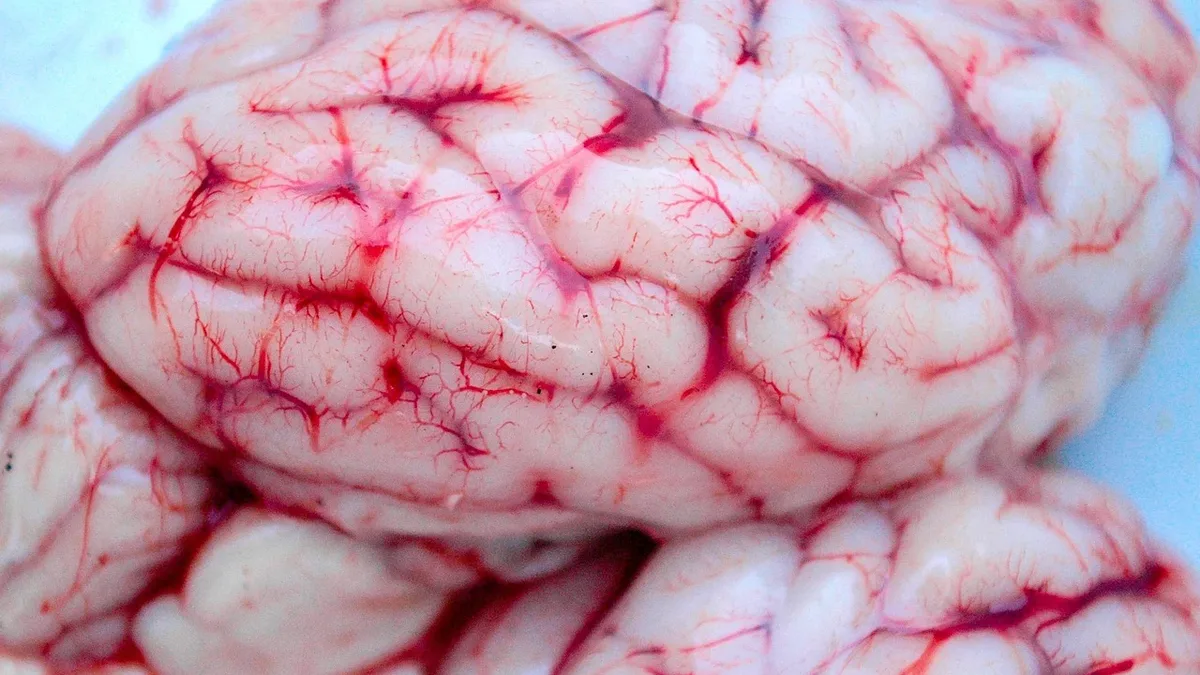
Stimulating the vagus nerve in mice after a training session improved their long-term learning performance. The research, published in iScience, found this improvement was accompanied by rhythmic changes in brain blood flow, suggesting the body's signals help shape the brain's learning environment.
According to a new study, the benefits of vagus nerve stimulation may rely partly on vascular responses, not just chemical signaling between neurons. The brain and body constantly communicate via the vagus nerve, a major pathway regulating automatic functions like heart rate. Study author Ko Matsui, a professor at Tohoku University, said his lab is interested in how neurons, glial cells, blood vessels, and body-derived signals work together. He noted that vagus nerve stimulation is a powerful way to activate a major body-to-brain pathway.
The Learning Experiment
The researchers implanted a cuff electrode around the vagus nerve in mice. They tested learning using a motor task where head-fixed mice learned to track moving stripes with their eyes. Mice underwent four 15-minute training sessions in one day. Immediately after each session, some received vagus nerve stimulation at different intensities; a control group did not.
Performance was tested again on days two and five. Stimulation delivered after training selectively enhanced long-term performance. All mice learned at the same rate on the first day. By days two and five, however, the stimulated mice showed better eye-tracking. The intensity of the pulses influenced when benefits appeared.
Matsui said that VNS did not immediately improve performance during training, but the enhancement emerged later, across days. This delayed effect suggests the stimulation influences post-training processes related to memory consolidation.
Observing Brain Blood Flow
To see inside the brain, scientists used fiber photometry to measure blood volume in the cerebellar flocculus, a region involved in this eye-movement learning. Each burst of vagus nerve stimulation caused an immediate, two-part vascular reaction: a brief constriction followed by a larger dilation. Repeated stimulation over 20 minutes created rhythmic fluctuations in local blood volume.
Matsui said the rhythmic vascular response in the cerebellar flocculus was striking and suggested that VNS can strongly influence local vascular dynamics in a brain region involved in learning. Mice displaying the largest vascular fluctuations also tended to show the greatest performance improvements by day five.
Cautions and Future Directions
The study does not claim the blood flow changes directly caused the learning enhancement. Matsui cautioned that this was a mouse study using invasive cervical vagus nerve stimulation. He stated the findings should not be directly generalized to humans or to non-invasive consumer stimulation devices, and that this does not mean people can simply stimulate the vagus nerve to become smarter.
Future work will need to manipulate blood vessel activity directly to see if blocking these fluctuations alters learning. Testing different stimulation times could clarify how the vagus nerve interacts with the brain's energy supply. Matsui added that their next goal is to directly monitor metabolic signals during VNS, sleep, and learning. The researchers are especially interested in how ATP, lactate, pyruvate, oxygen, and vascular dynamics interact when the brain becomes more permissive for plasticity.