Paramedic Academic Calls for Recovery Time Between Emergency Calls
A paramedic and academic is urging mandatory recovery periods between emergency calls to combat burnout and moral distress among ambulance crews, citing research that shows relentless shifts undermine care and mental health.
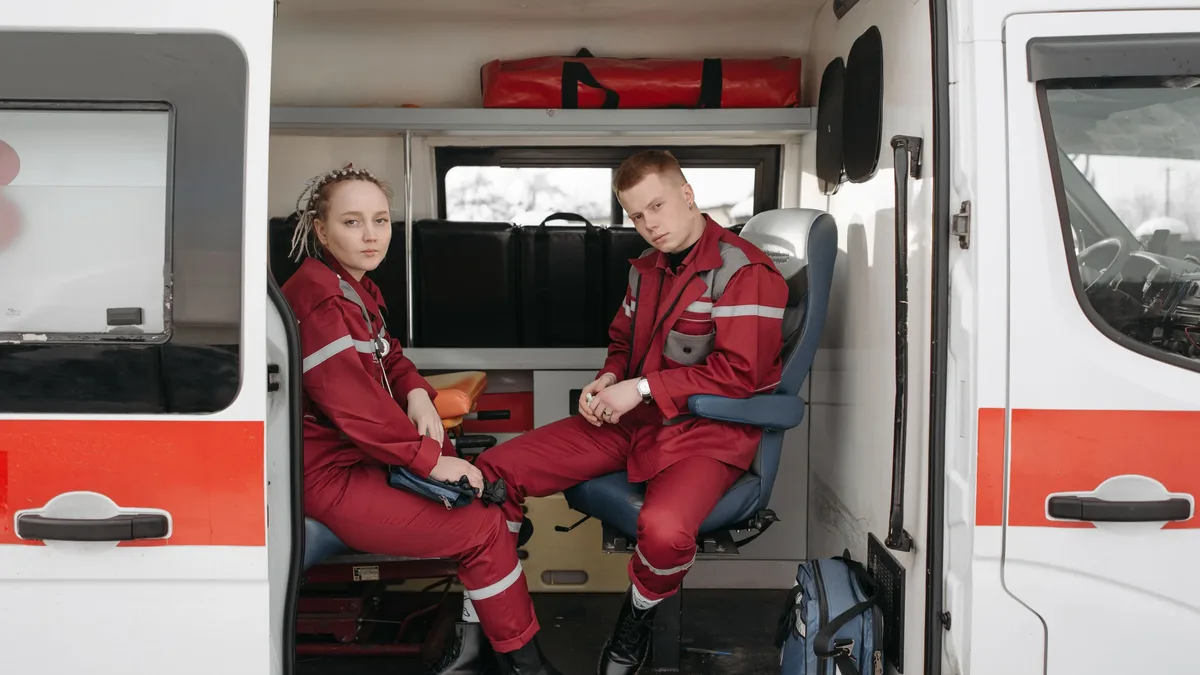
Paramedics face relentless pressure from multiple emergency calls in a single shift with minimal recovery time, creating dangerous conditions for both staff and patients. A review of research describes long shifts, unpredictable work, and limited recovery time as key stressors in ambulance work. Ambulance workers encounter death, serious injury, and violence, sometimes with little time to process one call before the next. Crews can finish a shift worn down by several calls, even when no single call prompts follow-up. A UK study during the COVID-19 pandemic found worsening shortages and concerns about insufficient time to perform the job.
Moral Distress and Systemic Pressures
Staff experience profound moral distress when forced to deliver substandard care due to time constraints and managerial demands to work faster. Paramedics describe caring for patients as rewarding but experience moral distress when unable to provide the care they believe is needed due to guidelines or time constraints. Some paramedics continue resuscitation attempts under guidelines even when they believe further attempts would not help. Senior managers pressured crews to work faster while paying too little attention to their well-being, according to interviews at an ambulance service in England. Staff report that repeated issues with patient care persist despite raising concerns with management.
Proven Support Solutions
Evidence shows structured recovery time and peer support programs significantly reduce psychological trauma among paramedics. A trial involving 570 student paramedics tested an online program for managing distressing memories and reducing time spent dwelling on difficult experiences. A year later, students offered the program were less likely to meet criteria for post-traumatic stress disorder or major depression than those who continued usual training. Talking to a trusted colleague helps paramedics process difficult calls and reduce strain. Paramedics want private time to talk after a call, often with a regular colleague. A conversation after a difficult call can help a crew make sense of what happened. Trust is needed for paramedics to speak up about calls affecting them, and service responses influence future disclosures. The academic said managers should investigate recurring crew problems and communicate actions taken to address them. Ambulance services may offer counseling or additional support after a major incident.
The paramedic and academic specialising in paramedic science is calling for time and support between emergency calls. She highlighted the gap in understanding, noting, "I don’t know how you do your job." Her call is for mandatory recovery periods between emergency calls to allow staff mental reset and better decision-making.