
Conflict Without Damage
| Site context | A relationship skill for resolving disagreements without harming the connection. |
|---|---|
| Original use | Improving interpersonal communication and relationship maintenance. |
| Core mechanism | Separating the problem from the person. |
| Key principle | Address the issue, not the character. |
| Typical application | Personal relationships, professional disagreements. |
| Common techniques | "I" statements, active listening, de-escalation. |
| Outcome goal | Resolution with preserved or strengthened rapport. |
Origin and history
Conflict Without Damage is a communication framework that emerged from the field of interpersonal neurobiology and integrative psychotherapy in the late 20th century. Its conceptual foundations are heavily influenced by the work of Dr. Daniel J. Siegel and Dr. Marshall B. Rosenberg, though it is not attributed to a single founder. The framework synthesizes principles from nonviolent communication, developed in the United States during the 1960s, with contemporary neuroscience regarding emotional regulation and attachment. It gained formal structure and its specific name through its application in couples therapy and organizational conflict resolution workshops in North America during the 1990s. The approach was further refined by therapists and mediators seeking a practical, skill-based alternative to purely analytical or concession-based conflict models. Its documented use in clinical settings and relationship guidebooks became widespread in the first decade of the 21st century.
What it is for
Conflict Without Damage is a structured skill set designed to navigate interpersonal disagreements without eroding trust, respect, or the emotional bond between individuals. Its primary purpose is to transform conflict from a destructive, adversarial event into a collaborative process of mutual understanding. The framework is specifically for use in ongoing relationships where maintaining the connection is as important as resolving the immediate issue, such as in romantic partnerships, families, or long-term professional teams. It provides users with a clear protocol to express their own needs and perceptions without blame or accusation while simultaneously creating space to genuinely hear the other person's perspective. The skill is for de-escalating heightened emotional states and preventing the cyclical, repetitive arguments that characterize entrenched relational conflict. Ultimately, it aims to move discussions from a focus on "who is right" to a focus on "what is needed" for the relationship to function healthily.
Pros and cons
A significant pro of Conflict Without Damage is its capacity to break the common pattern of attack-and-defend, thereby preventing the accumulation of relational resentment. It offers a concrete, repeatable structure that individuals can rely on when emotions are high, reducing the likelihood of harmful, impulsive speech. The framework often leads to more durable solutions because it addresses underlying needs rather than just surface positions. A primary con is that its disciplined, structured approach can feel artificial, stilted, or emotionally sterile, especially in the initial stages of learning, which may cause frustration for some users. It requires a substantial commitment to practice and self-regulation, meaning it often fails in moments of extreme fatigue or stress when individuals revert to instinctive patterns. Those who seek rapid, decisive "winning" in an argument frequently regret choosing this method, as it prioritizes process and understanding over swift resolution or capitulation. A common mistake is using the language of the framework as a new, more sophisticated form of manipulation to get one's own way, which ultimately undermines trust when discovered.
Who it suits
This skill set suits individuals or partners who are mutually motivated to preserve and improve their relationship despite inevitable disagreements. It is particularly appropriate for people who are intellectually curious about interpersonal dynamics and willing to engage in sustained self-reflection and personal change. Therapists often recommend it for couples who are stuck in repetitive conflict cycles but who demonstrate a foundational level of respect and care for one another. The framework suits organizational leaders and team members in collaborative environments where long-term cohesion is critical to success. It is less suited for situations involving abuse, profound power imbalances, or where there is no ongoing relational investment, as the process requires goodwill from all participants. Individuals with very low tolerance for structured conversation or who are primarily seeking immediate conflict victory will find this approach cumbersome and ineffective.
Latest Conflict Without Damage news
Latest reporting

How small annoyances trigger stress and damage relationships
Psychologists explain why minor daily irritations can spiral into significant stress, harming personal wellbeing and relationships, and offer...

Experts warn AI risks replacing human
Psychologists and therapists warn that outsourcing emotional support, conflict resolution, and decision-making to artificial intelligence undermines...
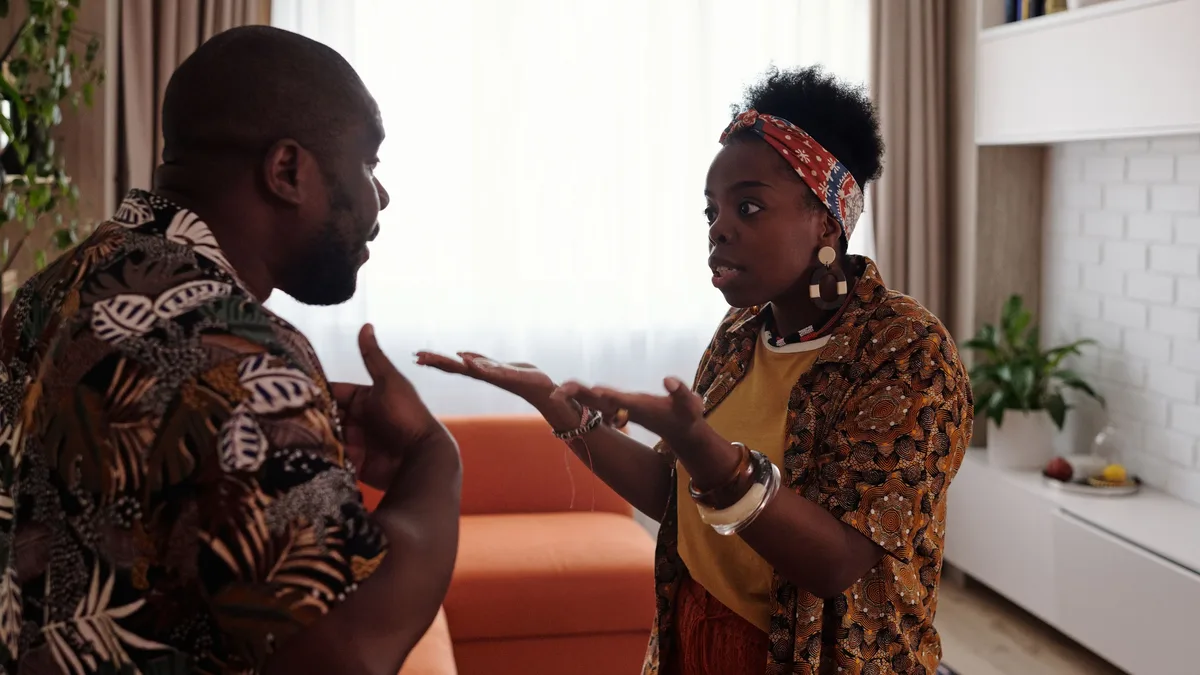
Navigating Jealousy in Long-Term Relationships
A new survey finds 70% of adults experience recurring jealousy in long-term partnerships. Relationship experts explain how to understand the...

Breastfed girls may start puberty later
A study of 4,745 children found girls fed human breast milk, especially for four months or more without other foods, showed less advanced puberty at...
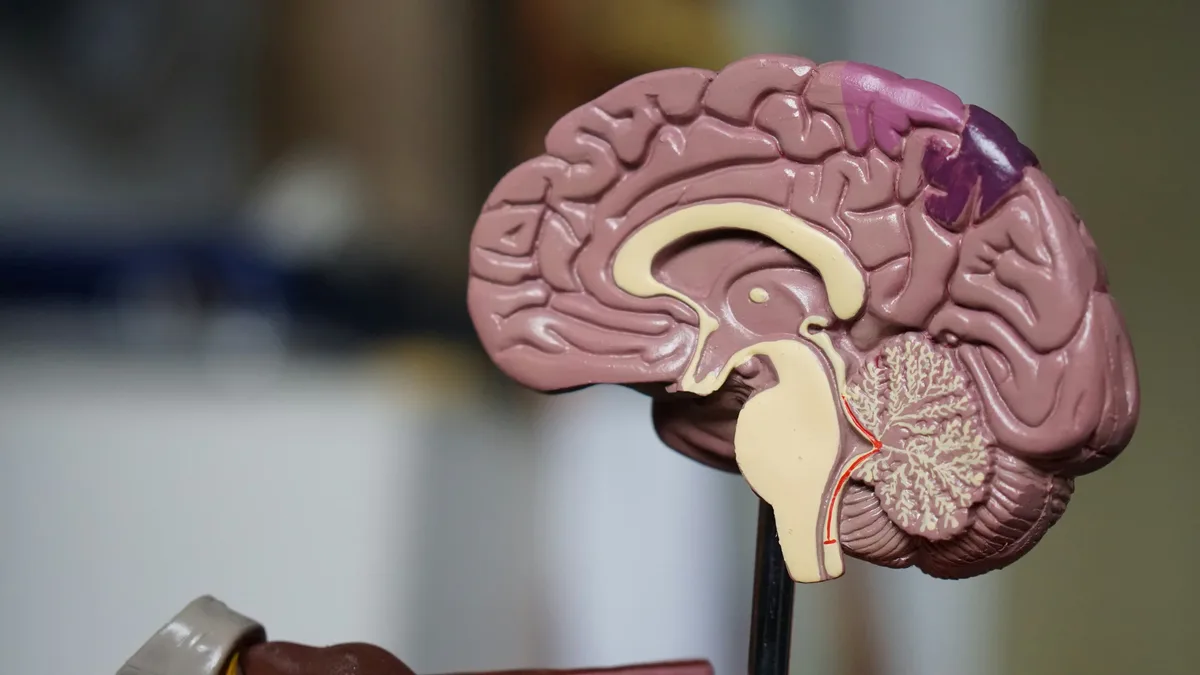
Inflammation's Two Paths to Alzheimer's
A new study identifies two distinct inflammatory pathways in Alzheimer's disease, each linked to different types of brain damage that converge to...

Thoughtless AI Use Undermines College Students' Learning Independence
A study published in *Scientific Reports* finds that college students who blindly copy AI-generated answers without verification experience declines...