A woman in her late 60s handles a 'situationship'
Two stories explore the emotional complexities of undefined romantic connections, from an older woman's fear of stating her needs to an analysis of whether trust can grow without commitment.
Two recent stories examine the emotional landscape of undefined romantic connections, often called situationships. The first details a woman in her late 60s who is scared to ask for more from a partner she likes, while the second analyzes whether genuine trust can develop in such an arrangement without formal commitment.
Handling a Situationship Later in Life
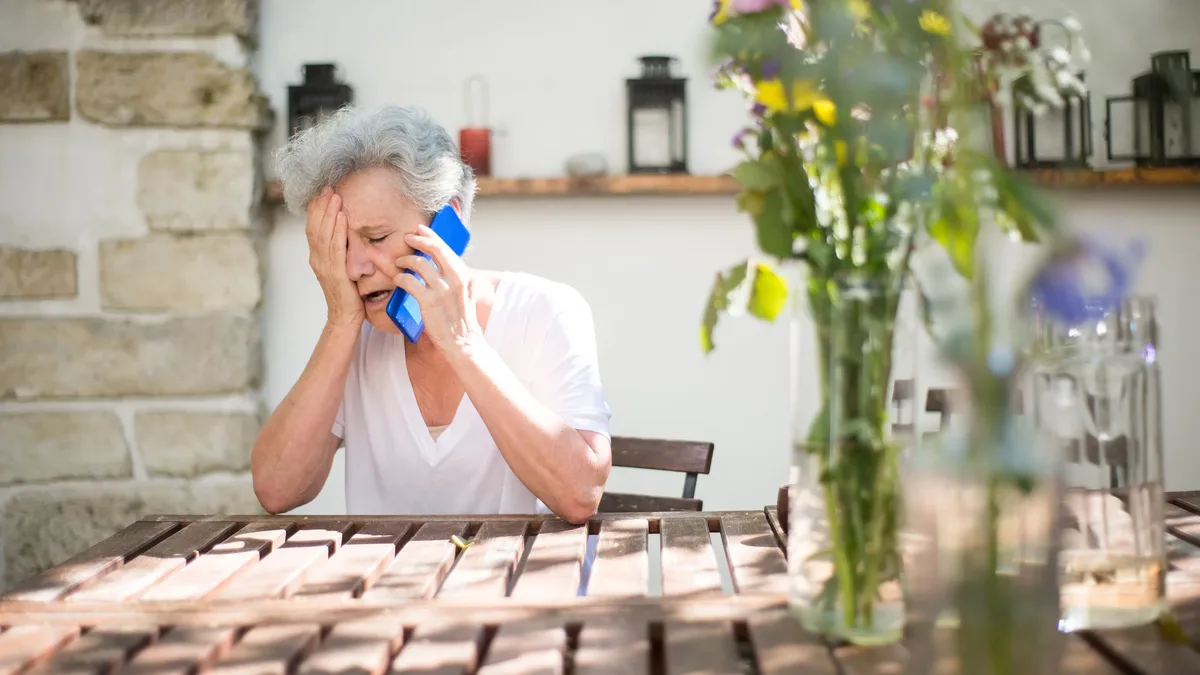
A woman in her late 60s, divorced three years ago, has been in a three-month situationship with a man she really likes. She sees him on weekends, which he states works for him partly due to living an hour away, but she feels she is getting crumbs because contact between meetings is sporadic and usually initiated by her. She craves greater intimacy but is scared that stating her needs more definitely will cause her to lose him, a fear compounded by the difficulty of meeting men at her age.
Expert advice challenges the premise that expressing desires is inherently overwhelming or pressuring. The core wants-to know if you can count on someone, to understand their feelings, and to see if the relationship aligns with your plans-are framed as normal and humble. Stating a desire for more clarity or commitment is presented not as an ultimatum but as calmly giving information about one's own feelings. The argument is made that a partner's desire for a relationship already exists or does not; speaking up merely reveals that reality rather than determining it. The final counsel is against subsisting on crumbs for fear of asking for a meal, suggesting life is too short for such pretense.
Building Trust Without Definition
By the fifth month of her situationship, a woman named Dana knows details of her partner's life but not what she is to him. The central question is whether the trust between them is genuinely growing or if only time is passing. A situationship is defined as having the closeness of a relationship without any of the formal agreements, a state that can last from a few months to over a year.
While not studied specifically by the Gottman Institute, concepts from their research on healthy relationships offer a lens. Their Sound Relationship House model is built on two weight-bearing walls: trust and commitment. Trust is knowing your partner acts in ways that benefit you, while commitment is demonstrating through words and actions that you are in the relationship for the long term. Evidence in a situationship may be stronger for trust, such as a partner answering texts promptly or helping in a crisis, which are examples of Turning Towards a bid for connection. Couples who turn towards bids 86% of the time are more likely to stay happily married.
However, time alone does not equate to commitment. Five months allows for building a detailed Love Map of a partner's life, but it does not automatically indicate where you stand with them. The institute outlines three phases of love: an initial intense limerence, a second phase where trust is built, and a third where commitment is established. A situationship may progress through the first phase and into the second, building trust through repeated positive interactions, but it remains distinct from a relationship where mutual commitment has been explicitly voiced and demonstrated.