Why Mosquito Bites Affect People Differently
The severity of a person's reaction to mosquito bites is determined by their immune system's unique response to proteins in mosquito saliva, with factors
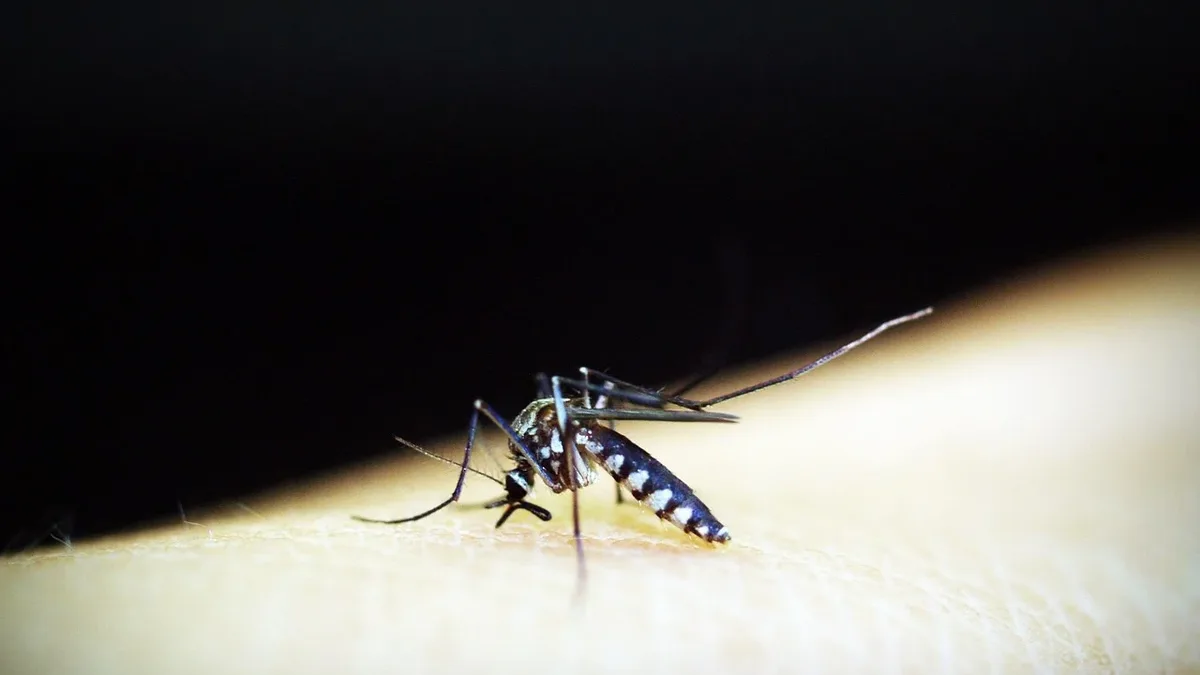
A mosquito bite's severity depends on how a person's immune system reacts to the insect's saliva. This interaction explains why two people with the same number of bites can have vastly different experiences, from mild bumps to large, itchy welts, much like how a team's performance can vary wildly from one match to the next, as seen in our detailed fixtures analysis.
When a mosquito bites, it injects saliva into the skin. The immune system identifies this saliva as a foreign substance and releases histamine, a chemical that triggers allergy symptoms like redness, swelling, and itching. However, mosquito saliva contains more than just anticoagulants. It includes a cocktail of biologically active compounds that actively manipulate the local immune environment.
These salivary proteins push the immune system toward a specific, allergy-prone response known as a Th2 response. This makes blood vessels leakier, drawing more immune cells to the area. For most, this simply means a more pronounced itch. Researchers, however, theorize this immune shift might also help viruses carried by mosquitoes establish an infection more easily.
The Role of Exposure and Genetics
Reactions vary dramatically from person to person, similar to the variation in player performance tracked in our comprehensive stats section. A large genetic study involving over 84,000 people confirmed reports ranging from small bumps to large, swollen welts. The same individual's reactions can also change over time.
Exposure is a primary factor. The strongest reactions typically occur during the first few encounters with a particular mosquito species. With repeated bites, the immune system often adjusts and reactions lessen, similar to building a tolerance. This explains why children, who have had fewer lifetime bites, often react more strongly than adults. It also explains why a traveler might have a severe reaction to an unfamiliar mosquito species while having a mild reaction to local ones.
Genetics also play a part, with inherited differences in immune regulation influencing sensitivity. The core reason for bad reactions is a mild hypersensitivity to mosquito saliva proteins.
From Skeeter Syndrome to Prevention
A small number of people develop an exaggerated local reaction called Skeeter syndrome. Swelling extends far beyond the bite site, sometimes mimicking a skin infection. According to the source, Skeeter syndrome is thought to result from an unusually strong immune response involving mosquito-specific antibodies. The exact cause isn't fully understood, though age, exposure history, and individual susceptibility are believed to be factors. Severe systemic allergic reactions are noted as extremely rare.
For those who react badly, immediate care can help. Applying a cold compress soon after a bite may reduce swelling. Oral antihistamines and mild topical corticosteroid creams can relieve itching and inflammation if used early. The source strongly advises against scratching, as it can prolong inflammation, damage skin, and increase infection risk. Anyone developing unusually large reactions, worsening pain, or fever should seek medical advice.
Prevention remains the best strategy. Using insect repellent, covering exposed skin, and sleeping under insecticide-treated bed nets in high-risk areas can reduce the chance of being bitten.
Broader Implications for Disease
The impact of mosquito saliva extends beyond itchiness. Scientists recognize that the salivary proteins may influence pathogen transmission. The immune changes that cause itchy welts appear to help viruses like dengue, Zika, and West Nile establish a stronger initial foothold and spread faster than if the virus were introduced alone.
Malaria research has revealed another layer. A landmark study found that children infected with the severe malaria parasite Plasmodium falciparum produced altered body odours attractive to mosquitoes. This suggests the parasite may manipulate human scent to improve its own transmission.
Because of saliva's role in disease, scientists are now exploring vaccines that target the saliva itself, not just the pathogens it carries. The humble mosquito bite, therefore, represents a complex biological negotiation with far-reaching consequences, a complexity that rivals the strategic interplay seen in a league's standings.