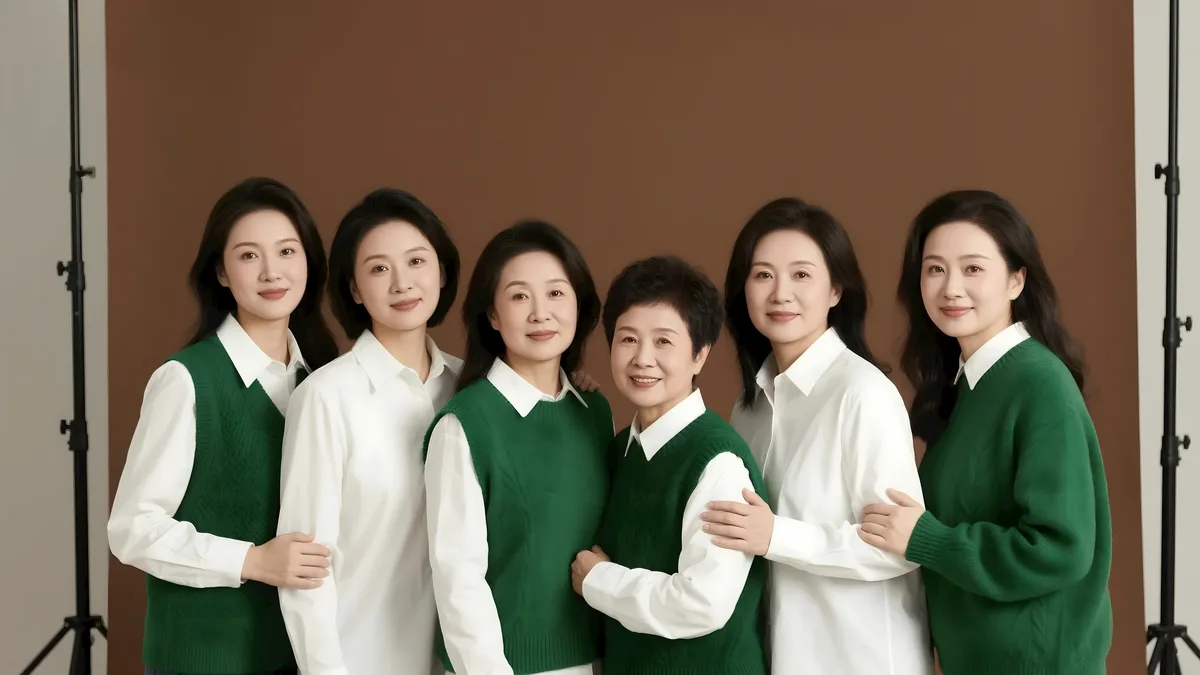
Psychologist explains why we eat for comfort
Psychologist Cinzia Pezzolesi explains that comfort eating is driven by the brain's reward system, which links pleasurable foods with feeling good.
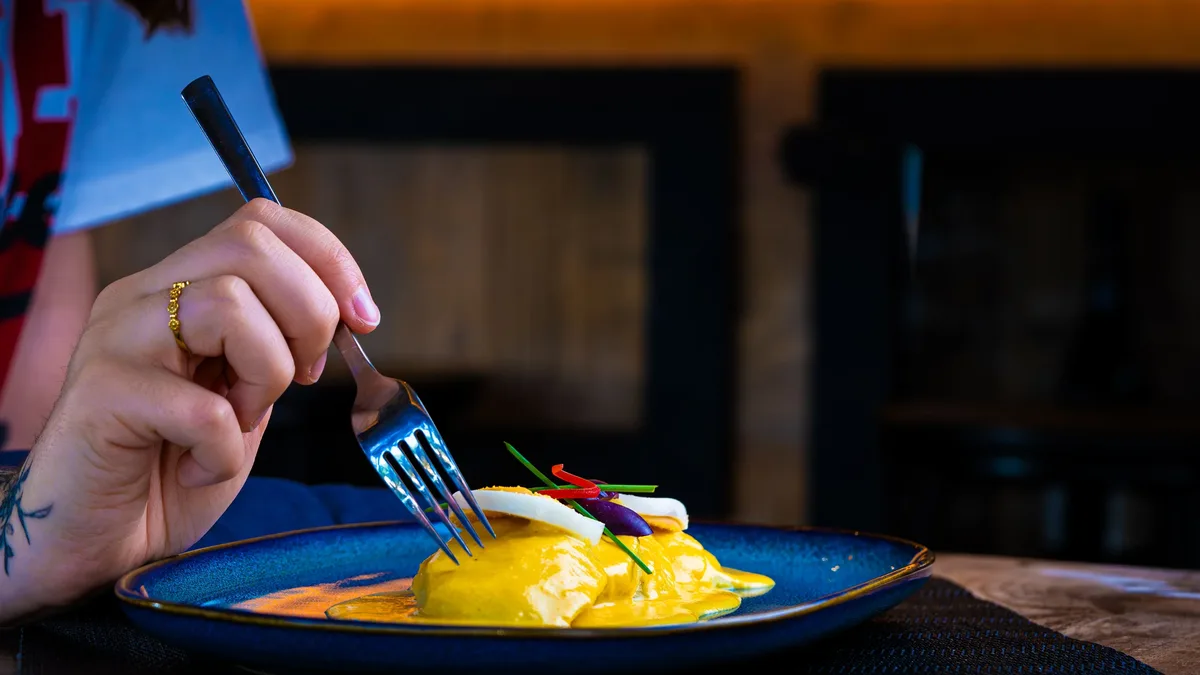
The brain's reward system drives people to eat for comfort, not hunger, according to psychologist Cinzia Pezzolesi. She explains that pleasurable foods stimulate dopamine, creating a learned response where the brain seeks specific items to improve mood.
The brain's reward system
Sugar and other pleasurable foods have a strong effect on the brain. They stimulate its reward system. Psychologist Cinzia Pezzolesi explains this mechanism evolved to help humans remember safe, non-poisonous food sources.
The modern world presents a problem. Our brains have not caught up with an environment filled with easily accessible, highly pleasurable foods. The brain learns to remember what makes us feel good and seeks it out. "On a day when you feel sad or even just a bit flat, you reach for the comfort food because you crave those chemicals," says Pezzolesi. Over time, the brain generalizes this feeling. Simply seeing a favorite food item can trigger a craving, even without feeling low.
Stress and procrastination
Stress can intensify comfort eating patterns. Pezzolesi states that stress destabilizes our sense of safety. When we feel unsafe or unwell, we are conditioned to believe food will help, leading to stress eating.
Food also serves as a form of procrastination. When facing a difficult or overwhelming task, eating provides an immediate and pleasurable escape. "You can’t face the task, but by eating you are still doing something rather than nothing," Pezzolesi says. This behavior offers a temporary focus away from the challenge at hand.
Building a broader toolkit
Nutritionist Laura Thomas suggests comfort eating is not inherently a problem. Food provides pleasure, comfort, and a sense of connection. The key is to understand the role it plays. She advises asking, "What need do you think your habit is meeting?"
Simply removing comfort foods without addressing the underlying need is ineffective. Thomas points out that if someone's coping toolkit only contains food, taking it away leaves them with nothing. A more useful approach is to develop new, non-food-based coping strategies alongside comfort eating.
The goal is to broaden the range of available options. Thomas suggests asking what other tools could be added, such as going for a walk, phoning a friend, or meditation. Food can then be integrated as one of several resources for comfort and soothing.
Thomas reframes comfort eating as a useful signal, not a failure. "Comfort eating is a useful response," she says. "It’s communicating that you have an emotional need that requires soothing." She adds that there is no need for guilt or shame around this behavior.