Parental mental health predicts later sleep quality
A year-long Israeli study shows that depression and anxiety in new parents forecast poorer subjective sleep quality a year after birth, especially in fathers.
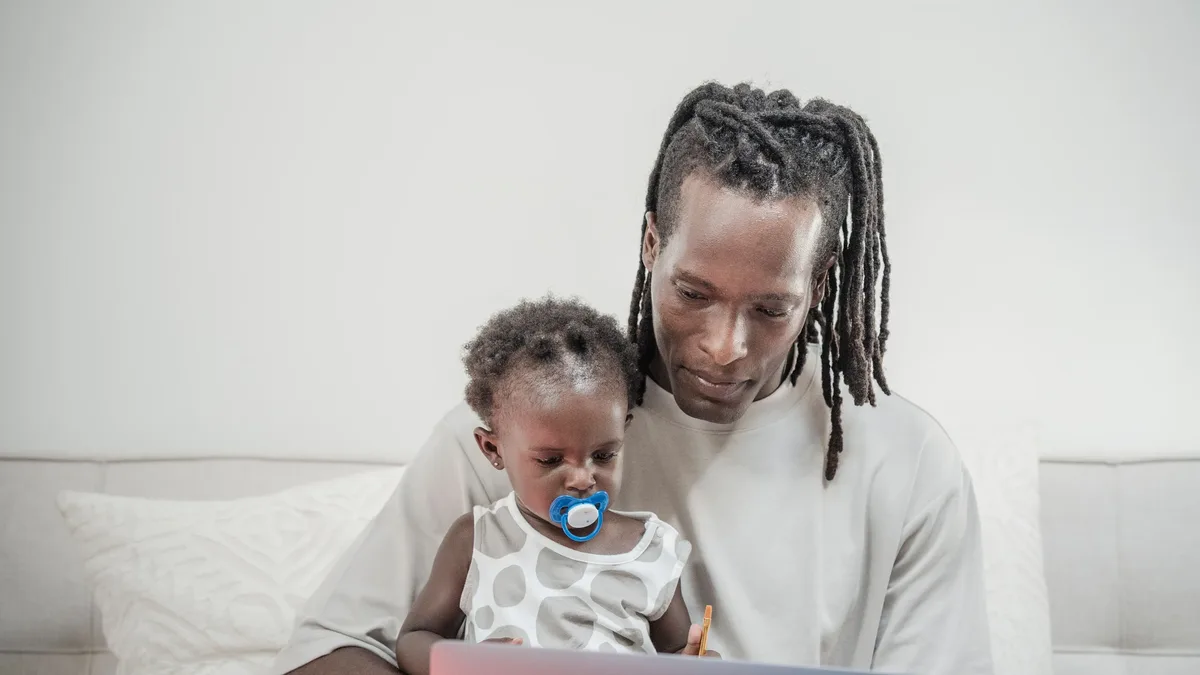
A longitudinal study published in Sleep Health found that parental depression and anxiety symptoms can predict poorer perceived sleep quality months later in both mothers and fathers. The research, led by Avel Horwitz of Ben-Gurion University of the Negev, followed 232 Israeli couples from the third trimester of pregnancy through 12 months postpartum.
Sleep deprivation is common in new parenthood, but the relationship between sleep and mental health is bidirectional. In the general adult population, insomnia can trigger depression or anxiety, and those conditions can in turn make it harder to sleep. The perinatal period is a uniquely vulnerable window for these issues to emerge due to shifting hormones and new psychosocial pressures.
Up to 70 % of mothers and 50 % of fathers experience disturbed sleep during the postpartum period, while depression and anxiety affect up to 20 % of new mothers and 10 % of new fathers. The study’s cohort details are available in our fixtures database.
| Group | Disturbed sleep (%) | Depression/Anxiety (%) |
|---|---|---|
| Mothers | 70 | 20 |
| Fathers | 50 | 10 |
The researchers recruited couples during the third trimester and collected data at four, eight, and twelve months postpartum. At each time point, parents wore actigraphy devices on their non-dominant wrists for one week to objectively track movement and estimate sleep onset and wake periods. They also completed daily sleep diaries, rating total hours of rest and subjective sleep quality on a scale from one to ten, and filled out standardized questionnaires assessing insomnia, depression, and general anxiety.
Because depression and anxiety scores tracked closely, the team combined them into a single metric for emotional distress. Cross-sectional analyses revealed a reliable link between self-reported sleep quality and mental health: parents who rated their sleep poorly or reported high insomnia symptoms also exhibited higher levels of depression and anxiety across pregnancy and the first year postpartum. In contrast, actigraphy data showed no such correlation, suggesting that motion sensors may miss postpartum disruptions such as lying awake with worry.
Longitudinal models isolated month-to-month fluctuations from baseline traits. Higher depression and anxiety symptoms at eight months postpartum predicted worse subjective sleep quality at twelve months for both mothers and fathers, even as infants typically develop more consolidated sleep patterns during the second half of their first year. The researchers propose that as infant-driven disruptions decline, parental distress may increasingly become the primary driver of poor sleep.
A pronounced cycle emerged for fathers: lower sleep quality at four months postpartum predicted an increase in depression and anxiety symptoms at eight months, which in turn predicted a decrease in subjective sleep quality at twelve months. This continuous, cyclical relationship suggests that evaluating sleep in both parents could help identify families at risk for ongoing mental health struggles.
The study’s findings are based on observational data, so the models highlight predictive trends rather than direct biological causality. The participant pool was relatively homogeneous, consisting mostly of middle-to-upper-income families with healthy infants, and most parents scored in the subclinical range for depression and anxiety. The results may not fully translate to parents with severe, clinically diagnosed psychiatric conditions.
Future research could explore whether these predictive links are unique to the postpartum period or reflect general adult stress responses. For more detailed statistics on parental health trends, see our stats page. Healthcare providers should address both sleep and emotional well-being in new parents, as treating anxiety and depression may be a necessary step to improving daily sleep quality, especially in the later months of a child’s first year.