Ancient Greeks feared theatre's reality blur
A classicist compares modern fears about social media's effect on children to ancient Greco-Roman worries that theater could blur reality.
Modern fears about social media's effect on children echo ancient Greco-Roman worries that theater could blur reality. Keir Starmer banned under-16s from social media in July 2026 before stepping down. The UK ban is scheduled for early 2027, following a similar Australian move in 2025. There is growing recognition that social media poses real risks to young people. This is evidenced by Meta's recent $18 billion settlement over teen addiction. Parents, teachers, and politicians worry about the social and emotional impact. The full effect on developing brains remains unclear. Platforms like Instagram and TikTok deliver an endless, algorithm-driven stream of tailored content. In an age of filters, AI, and engagement farming, the distinction between online performance and reality is increasingly blurred. Children and teenagers are ill-equipped to distinguish between the two.
The ancient fear of performance
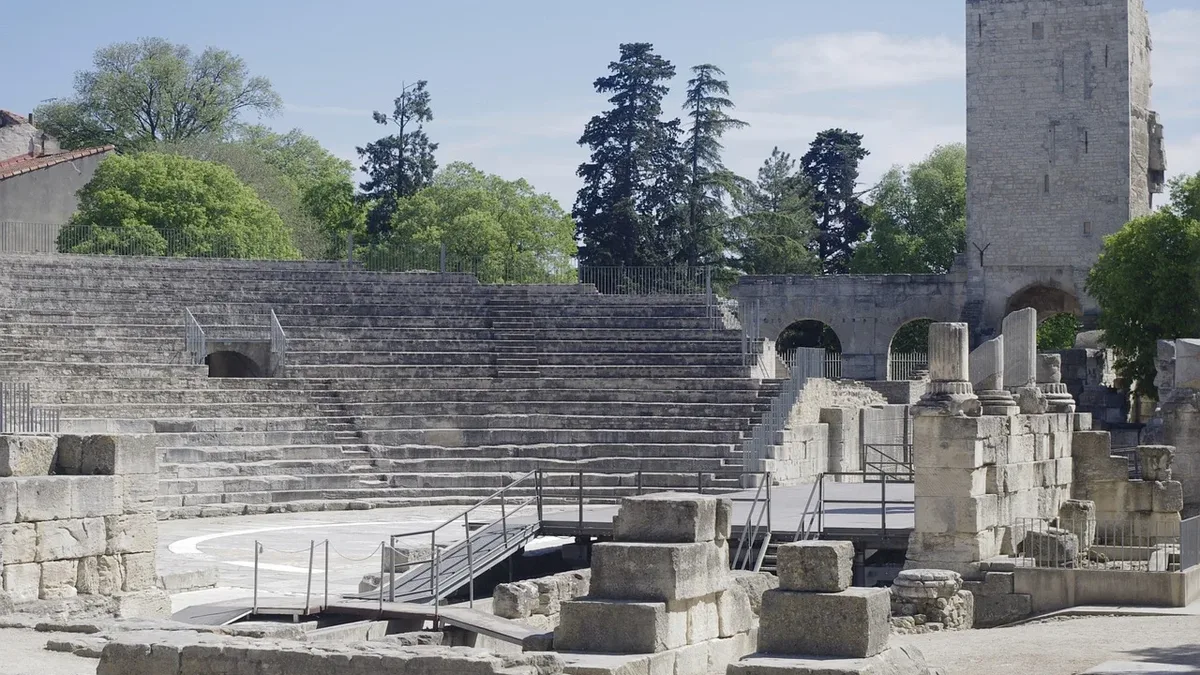
The author identifies a parallel in ancient Greco-Roman society's obsession with theatre. As theatrical performance became a cultural staple, a fear emerged that art could overcome reality itself. This "theatrophobia" appears throughout the literary record. Drama imitated life and offered moral or emotional examples. But what if the audience learned the wrong lesson? As performances spread beyond theatres into homes and public spaces, the boundary between performance and reality had to be constantly renegotiated.
When the actor becomes the role
The second-century satirist Lucian of Samosata played with this anxiety. In one story, he described an actor playing the mad Trojan hero Ajax. The actor became so consumed by his role that he attacked other performers on stage. The actor's performed mania corrupted the audience, pulling them into the chaos.
A city consumed by tragedy
Lucian recounted another anecdote about the city of Abdera. After a performance of Euripides' Andromeda in the summer heat, the entire populace was overcome by "tragedy madness." They fell sick with fever and recited endless quotations from the play. These exaggerated tales were lighthearted satire. Yet they resonated because the boundaries between performance and reality were porous. This made drama exciting but also dangerous.
Modern theatrophobia online
The author argues that modern anxiety about social media is the latest version of this ancient fear. The online world privileges performance and exploits the idea that art can imitate and hyper-realise life. Young people's lives are now played out on TikTok feeds as much as in reality. Age-graded bans may address some dangers. They do not tackle the root issue. The public debate must continue. We must recognise and challenge the explicit theatricality of social media. It is not too late to avoid getting lost in the production.