
Marriage
| Relationship situation | Long-term commitment |
|---|---|
| Skill that helps | Communication and compromise |
| Original use | Legal and social union for forming families |
| Typical duration | Lifetime |
| Common prerequisites | Legal age, mutual consent, often a pre-existing relationship |
| Key formalities | Varies by jurisdiction, often involves license, ceremony, and officiant |
| Primary legal effects | Creates kinship, alters property and inheritance rights, grants spousal privileges |
Origin and history
Marriage, as a formalized and legally recognized union, has origins in ancient societies across multiple regions. Its historical roots are not tied to a single country but are found in early civilizations in Mesopotamia, ancient Egypt, India, and China. The concept of a socially and legally binding contract between partners for the purposes of alliance, property, and progeny is documented from ancient times. In the Western tradition, the form and function of marriage were significantly influenced by Roman law and later by Christian doctrine during the Middle Ages. The specific legal and religious frameworks have evolved considerably over centuries, with major shifts occurring in the 19th and 20th centuries regarding the rights of women. The modern conception of marriage as a voluntary union based on romantic love became more dominant in Western societies from the 18th century onward.
What it is for
Marriage serves as a foundational social institution that establishes a formal partnership between individuals, recognized by law, religion, and society. Its primary functions historically have included the creation of stable family units for raising children, the orderly transfer of property and inheritance, and the formation of social and economic alliances. In a contemporary context, it provides a legal framework for shared responsibilities, financial union, and medical decision-making rights. It offers a structure for long-term emotional commitment and mutual support between partners. The institution also confers specific legal benefits and obligations, such as tax filing status, spousal privilege in legal proceedings, and immigration rights. Furthermore, it fulfills cultural and religious roles for many, representing a covenant or sacrament within their faith tradition.
Marriage date ideas
Date ideas within a marriage focus on nurturing the ongoing connection and intimacy between partners after the wedding ceremony. These activities are designed to break from daily routines and reinvest time and attention into the relationship. Effective ideas often involve shared experiences that create new memories, such as taking a class together like cooking or dancing, which fosters teamwork and fun. Regular "at-home dates," like preparing a multi-course meal together without distractions, can be as valuable as elaborate outings. Planning periodic overnight getaways, even to a nearby town, provides a change of scenery and dedicated time for conversation. Recreating significant moments from the couple's history, such as visiting the location of a first date, can reinforce the shared journey. The core principle is intentionality, prioritizing the partnership amidst the demands of careers, parenting, or household management.
Overview
Marriage is a multifaceted legal contract and social institution that binds two people in a committed partnership. It exists at the intersection of personal relationship, civil law, and often religious practice, making it complex and variable across cultures. The union typically involves shared domicile, finances, and life goals, requiring continuous negotiation and collaboration. Success in marriage is generally dependent on more than initial romance, relying on skills like communication, conflict resolution, and emotional attunement. It is a dynamic state that evolves over decades, facing transitions such as career changes, parenthood, and aging. While often idealized, its practical day-to-day reality involves a sustained effort to maintain connection and partnership through changing life circumstances.
What to know
Entering into a marriage requires a clear understanding of its legal implications, which vary by jurisdiction but universally alter one's legal standing. Partners become next-of-kin for emergency medical decisions and gain rights to spousal support and equitable property division in the event of divorce. Financially, marriage affects credit, debt responsibility, tax liabilities, and estate planning, necessitating open discussions about assets and financial philosophy. The emotional labor of maintaining a marriage is significant, often requiring proactive effort to prevent intimacy from fading amid daily responsibilities. Differing expectations about roles, family involvement, and life priorities are a major source of conflict and should be discussed thoroughly beforehand. It is also crucial to know that marital satisfaction often follows a U-shaped curve over time, commonly dipping during intensive child-rearing years before potentially rising again later.
Common questions
A common question is whether cohabitation serves as an effective trial for marriage, though research suggests couples who cohabit before engagement may face slightly higher divorce risks, often due to selection factors rather than cohabitation itself. People frequently ask about the ideal age for marriage, with statistical trends indicating that marriages entered into in the late twenties and early thirties have slightly higher stability rates than teenage or very early twenties marriages. Many inquire about the necessity of prenuptial agreements, which are legal documents outlining asset division in case of divorce and can be practical for those with prior assets, children from previous relationships, or family businesses. Questions often arise regarding the division of household labor, which remains a persistent source of conflict unless explicitly negotiated and renegotiated over time. Individuals also ask how to maintain individuality within a marriage, which requires deliberate practice in supporting separate hobbies, friendships, and personal growth. Another frequent question concerns dealing with extended family boundaries, which is a critical skill for marital solidarity.
Pros and cons
A primary pro of marriage is the legal and social framework it provides for building a secure, long-term life partnership, with tangible benefits in healthcare, taxation, and parental rights. It offers a profound sense of belonging, commitment, and shared history that can provide immense emotional stability and support through life's challenges. However, a significant con is the complex legal entanglement, which can make dissolution through divorce a lengthy, costly, and emotionally devastating process. Common regrets often stem from marrying for idealized love without practical alignment on fundamental issues like finances, children, or core values, leading to entrenched conflict. A frequent mistake is the "escalation of commitment," where individuals invest further in a struggling relationship primarily due to the sunk cost of time or a lavish wedding, rather than addressing core incompatibilities. The institution can also stifle individual growth if partners fall into rigid roles or fail to support each other's personal evolution over decades.
Who it suits
Marriage suits individuals who are ready for a long-term, legally-binding partnership and who value the security and formal recognition it provides. It is well-suited to couples who have discussed and aligned on critical life issues, including desires regarding children, financial management, career ambitions, and family boundaries. Those with strong skills in communication, compromise, and conflict resolution, or the willingness to develop them, are better positioned for its demands. It often suits partners who share a similar vision for their life structure and are prepared to navigate life's major transitions as a unified team. Conversely, it may not suit individuals who highly prioritize complete autonomy, are uncomfortable with legal entanglement, or have not resolved fundamental disagreements about their future together. It requires a commitment to the ongoing work of relationship maintenance, beyond the initial romantic phase.
Latest Marriage news
Latest reporting

Margot Robbie's Ackerley name change sparks
Margot Robbie legally changed her surname to Ackerley after a decade of marriage, a move that has ignited a wider conversation about choice...

Couple says open marriage strengthens their long-term bond
A couple with three children explains how ethical non-monogamy has helped them maintain intimacy and see each other as partners, not only co-parents...

Pilot's radio proposal to air traffic controller marks 25
A pilot fell for an air traffic controller's voice before meeting her, leading to a public cockpit marriage proposal and 25 years together.
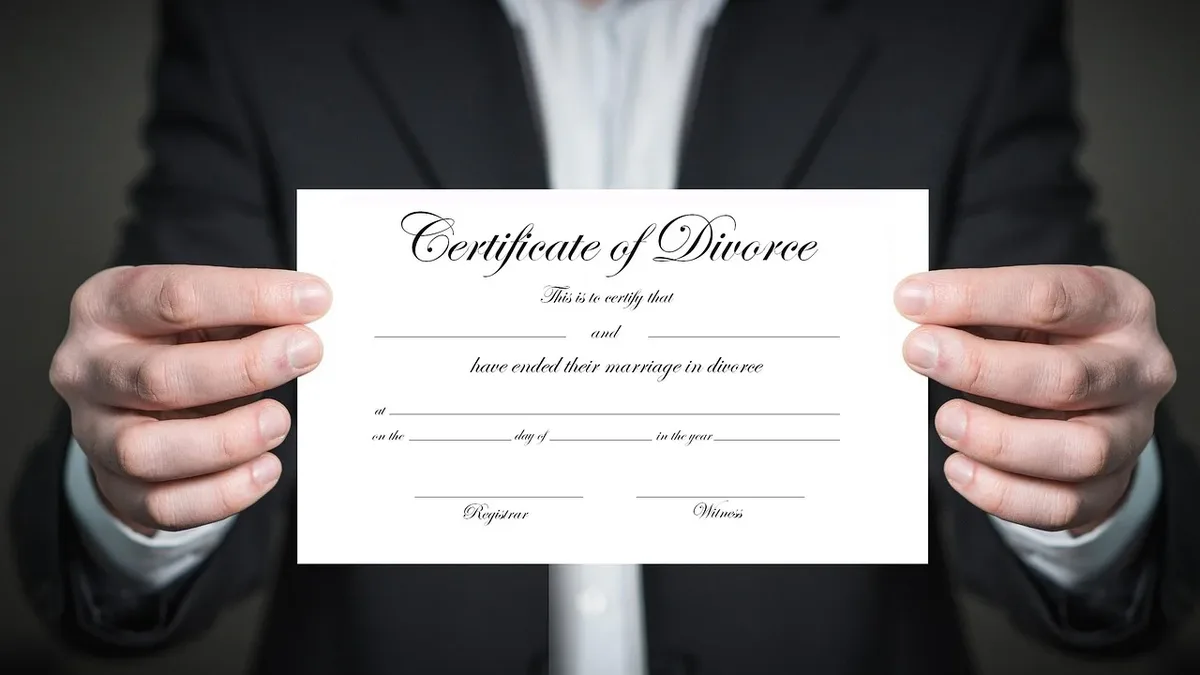
Therapist explains when to end a marriage
A therapist outlines three types of struggling marriages and explains when he advises ending them, especially if one partner is causing harm.

Camille, 65, finds intimacy after kiss
A 65-year-old woman describes how her current partner's patient, affectionate approach contrasts with her previous marriage, where sex was routine and

Schoolteacher crush tests a 20-year marriage
A married parent of two seeks advice after developing strong feelings for a teacher at their children's school, questioning what the attraction means...