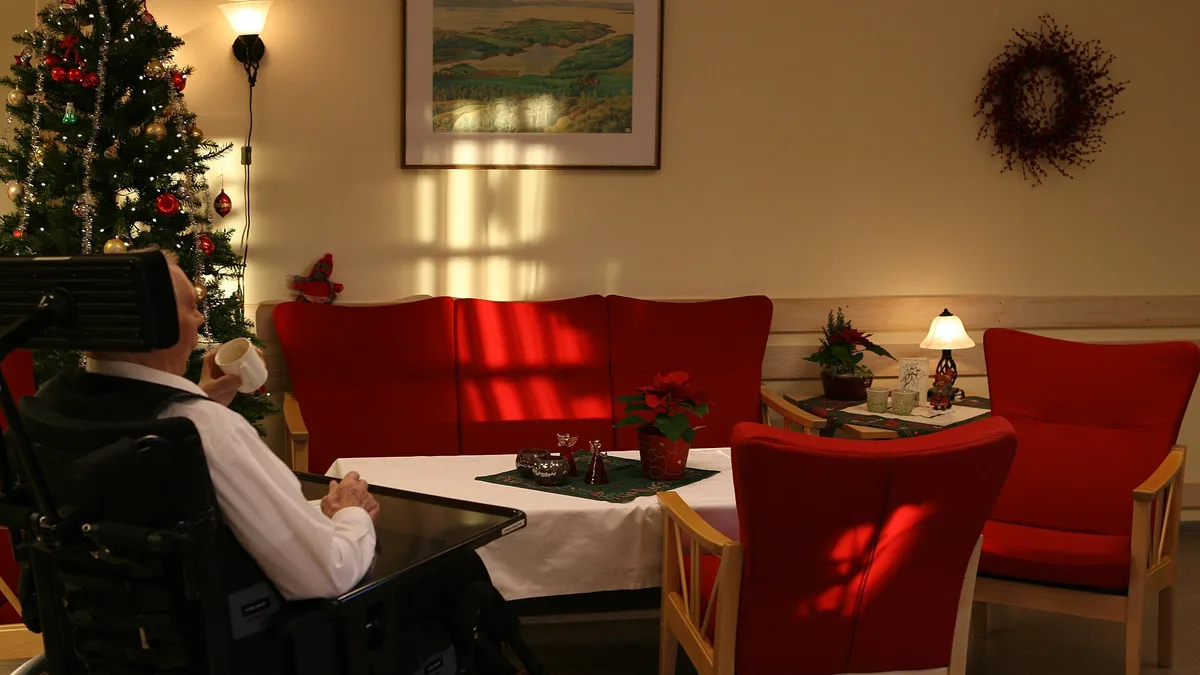
Long Term Illness And Becoming A Carer
| Recall context | Relationship situation, Skill that helps |
|---|---|
| Primary relationship | Spouse, parent, child, or other family member |
| Skill that helps | Practical care, emotional support, advocacy, or coordination |
| Typical onset | Gradual or sudden, following diagnosis or acute event |
| Common stressors | Financial strain, social isolation, role reversal |
| Support systems | Local carers' groups, national charities, respite care services |
| Legal and financial considerations | Power of attorney, benefits, employment rights |
| Long-term impact on carer | Physical fatigue, emotional burnout, identity change |
Origin and history
The dual role of managing a long-term illness while simultaneously becoming a carer for another is not a formalized practice with a single origin. It is a universal human situation arising from familial and social bonds, documented across cultures and throughout recorded history. Its recognition as a distinct and challenging psychosocial dynamic, however, gained significant academic and clinical attention in the late 20th century. This coincided with increased life expectancy in many developed nations, leading to more individuals with chronic conditions outliving spouses or partners and then assuming care duties for them. Research into the "caregiver-patient" dyad expanded during this period to specifically include those who are ill themselves, often termed "dual caregivers" or "caregivers with chronic illness." The systematic study of this population has been driven largely by gerontology, sociology, and nursing disciplines in North America and Western Europe since the 1980s. Its documentation is therefore a modern formalization of an ancient, informal human experience.
What it is for
This situation describes the complex reality of an individual who must manage their own ongoing medical condition while providing essential physical, emotional, or logistical support to a family member or partner with a disability or illness. It is not a chosen role but one necessitated by circumstance, typically when no other suitable care option is available or affordable. The primary function is to sustain the care recipient's safety, health, and quality of life despite the caregiver's own health limitations. This requires the development of a specific skill set focused on boundary management, energy conservation, and adaptive communication. It also necessitates becoming a coordinator of external resources, such as healthcare services and community support. Ultimately, the role exists to maintain a relationship and a household under profoundly strained conditions, often delaying or complicating the caregiver's own medical needs.
Pros and cons
A potential pro is the deepening of the relational bond through shared vulnerability and mutual dependence, which can foster profound intimacy and purpose. The caregiver may also develop exceptional resilience, problem-solving skills, and a heightened knowledge of healthcare systems. A significant and common con is the severe acceleration of the caregiver's own illness progression due to sustained physical and emotional strain, often termed "caregiver burnout." Regret is frequently reported not about caring for the loved one, but about the subsequent neglect of one's own health until a crisis point is reached. The most common mistake is the failure to establish firm boundaries and seek external help early, based on the mistaken belief that accepting assistance constitutes failure or betrayal. Another major drawback is the social isolation that results from the all-consuming nature of the dual roles, leading to the erosion of the caregiver's independent support network and identity.
Who it suits
This role does not suit individuals who have poorly managed their own illness prior to the caregiving demand, as they lack the necessary personal health foundation. It is most sustainable for those whose chronic condition is in a stable or remission phase, allowing for predictable energy reserves. Individuals with a pragmatic, organized mindset and a low need for personal control often adapt better, as they can delegate tasks and utilize systems efficiently. It suits people who have pre-existing strong advocacy skills and are comfortable navigating bureaucratic medical and social service landscapes. Those with a robust external support network, or the willingness and ability to build one, are more likely to endure the demands. Ultimately, it is a role imposed by necessity rather than choice, and its "fit" is often judged retrospectively by the individual's capacity to survive it without catastrophic health consequences.
Latest Long Term Illness And Becoming A Carer news
Latest reporting

Empty nest can unmask hidden ADHD symptoms
The loss of family structure when children leave home can expose long-hidden ADHD traits in fathers, such as procrastination, time blindness

Couple says open marriage strengthens their long-term bond
A couple with three children explains how ethical non-monogamy has helped them maintain intimacy and see each other as partners, not only co-parents...

Lost number text reconnects couple for lasting relationship
A woman who lost a man's number after a chance meeting later received his text just as she was deactivating her old phone, leading to a long-distance
Navigating Jealousy in Long-Term Relationships
A new survey finds 70% of adults experience recurring jealousy in long-term partnerships. Relationship experts explain how to understand the...

Vagus Nerve Stimulation Enhances Learning
Stimulating the vagus nerve in mice after training triggered rhythmic brain blood flow changes linked to better long-term learning, suggesting...
Parental mental health predicts later sleep
A year-long Israeli study shows that depression and anxiety in new parents forecast poorer subjective sleep quality a year after birth, especially in...