Nut consumption linked to sharper thinking
A new study finds eating nuts is associated with better cognitive test scores, especially for people with poor diets or low activity.
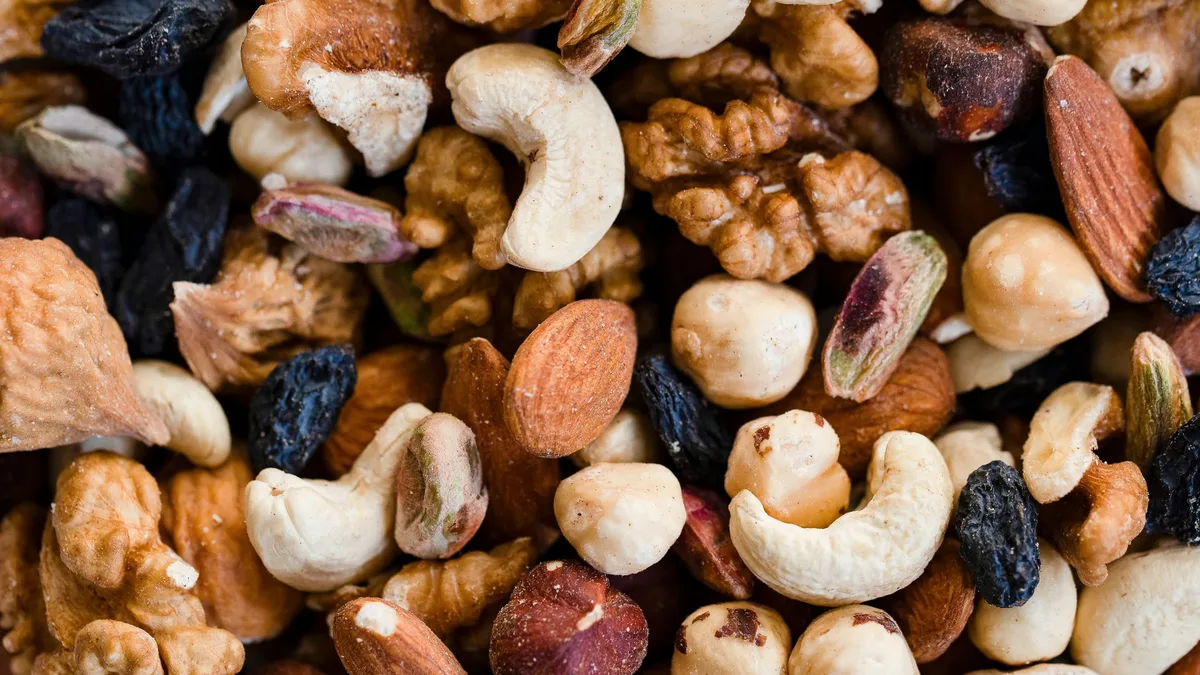
People who eat more nuts tend to score higher on tests of thinking and memory. This benefit appears strongest for individuals with generally poor diets or low physical activity, according to a new study published in Food & Function. Among those who have experienced a stroke, nut consumption is linked to higher blood levels of a protein that helps grow new blood vessels.
A person's ability to manage daily life depends on maintaining mental sharpness with age. Strokes are especially disruptive, causing direct brain damage and increasing the risk of memory problems and dementia. With medical treatments for dementia remaining limited, many experts are focusing on preventative measures like diet.
"Nuts are widely recommended as part of a healthy diet and have known benefits for heart and metabolic health, but evidence for their benefits to cognitive health is inconsistent," said co-authors Barbara R. Cardoso, a senior lecturer at Monash University, and Sasan Amanat, a PhD student. They noted stroke survivors are a group at higher risk of cognitive decline that has been relatively understudied in nutrition research.
Study Design and Cognitive Findings
The research team used data from the Framingham Heart Study Offspring cohort, focusing on 1,771 participants with an average age of 61. Of these, 1,742 had no history of stroke and 29 were stroke survivors. Participants reported their food intake, allowing estimation of average daily nut consumption. They also completed neuropsychological tests measuring processing speed, visual memory, verbal memory, and reasoning.
Among participants without a stroke history, eating more nuts was associated with higher overall cognitive scores. This link was most pronounced in individuals who engaged in the least physical activity and had the lowest overall diet quality. For these groups, small increases in nut intake translated to better memory and thinking scores.
"Our findings add to growing evidence that including a handful of nuts in the diet may support cognitive health," the researchers told PsyPost. "Swapping less healthy snacks for nuts could be especially helpful for people who do not eat a balanced diet or who are not very physically active."
Brain Scans, Proteins, and Stroke Survivors
The team also used brain scans and blood tests. Eating more nuts was linked to larger total brain volume, but only among highly physically active participants. In the general stroke-free group, nut consumption was not associated with levels of key brain health proteins in the blood.
For stroke survivors, nut intake did not show a link to cognitive test scores. However, higher consumption corresponded to elevated levels of vascular endothelial growth factor in the blood. This protein stimulates the formation of new blood vessels.
"We were surprised to see that nut intake was associated with vascular endothelial growth factor in stroke survivors," the researchers explained. They cautioned the finding is limited by the small number of participants and needs confirmation in larger studies.
Limitations and Future Research
The study shows a link, not causation. "While people who ate more nuts tended to have better cognitive function, the research does not show that eating nuts directly prevents memory loss or cognitive decline," the researchers noted. Average nut intake in the studied population was also extremely low at about 1.3 grams per day, far below standard dietary guidelines of 20 grams.
Over a ten-year follow-up, the team tracked new strokes and dementia cases among the stroke-free participants. Out of 1,742 people, they identified 49 new strokes and 61 new dementia cases. They found no statistical relationship between nut consumption and the likelihood of developing these conditions.
The researchers stated their next goal is to better understand how dietary factors, including nut consumption, may support recovery and long-term brain health after stroke. The study was authored by Sasan Amanat, Aimee L. Dordevic, Matthew P. Pase, and Barbara R. Cardoso.