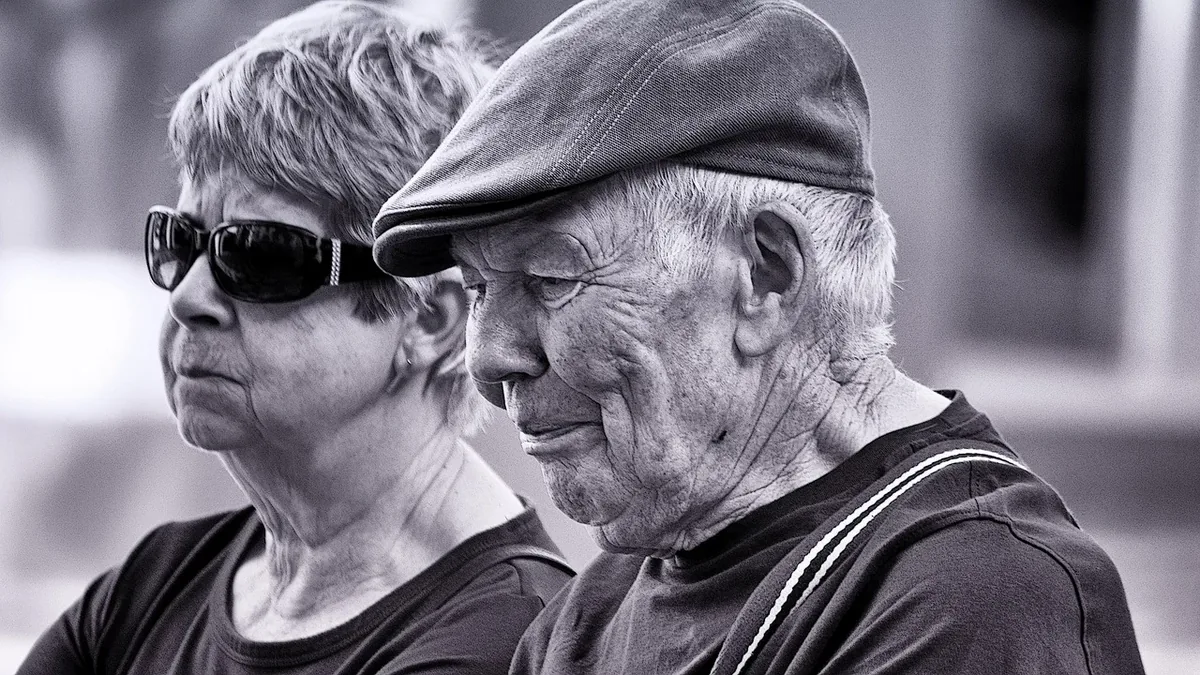
Dating Later In Life
| Relationship situation | Older adults re-entering the dating scene, often after divorce, widowhood, or long-term singlehood. |
|---|---|
| Primary skill | Navigating modern dating norms and technology while leveraging life experience. |
| Common age range | 50s to 70s. |
| Typical communication channels | Online dating platforms, community groups, social events. |
| Key considerations | Family dynamics, financial independence, established lifestyles. |
| Potential pace | Often slower, with an emphasis on companionship and shared interests. |
| Original use | Forming romantic connections and partnerships in later life stages. |
Origin and history
The concept of Dating Later In Life is not a singular invention with a specific origin point, but rather a social phenomenon that emerged in Western societies, particularly in North America and Europe, during the late 20th century. Its rise is directly linked to significant demographic shifts, including rising divorce rates after the 1970s and increased life expectancy. The proliferation of this dating context was further normalized and discussed widely with the advent of online dating platforms in the 1990s and 2000s, which provided new avenues for older adults to connect. Prior to this period, societal norms often expected widowed or divorced individuals to remain single, or to pursue companionship without the formal framework of "dating." The term itself gained cultural traction as baby boomers, a large and influential demographic cohort, began entering their post-50 years and re-engaging with the romantic marketplace. Consequently, Dating Later In Life evolved from a private, often unspoken reality into a recognized and common phase of adult life, supported by a growing body of literature, dedicated dating services, and community discussions.
What it is for
Dating Later In Life serves the primary purpose of seeking companionship, intimacy, and romantic partnership after the age of approximately 50, often following the end of a long-term marriage or relationship, or the loss of a spouse. It addresses the human need for connection and shared experience during a life stage when social circles may have shrunk due to retirement, relocation, or the passing of peers. This form of dating is for individuals who wish to build a new chapter without necessarily replicating the traditional trajectories of early adulthood, such as cohabitation, marriage, or child-rearing. It provides a structured social process for navigating the complexities of new relationships while managing established lives, including adult children, grandchildren, financial independence, and personal routines. Furthermore, it is for those looking to share specific interests and activities with a compatible partner, leveraging a lifetime of self-knowledge to seek more targeted compatibility. Ultimately, it is a means to combat loneliness and enrich one's later years with emotional and physical intimacy tailored to contemporary circumstances and desires.
Dating Later In Life date ideas
Date ideas for Dating Later In Life should prioritize comfort, conversation, and shared interests while being mindful of practical considerations like pacing, accessibility, and noise levels. A daytime visit to a botanical garden or arboretum offers a relaxed setting for walking and talking without the pressure of a formal evening event. Attending a matinee performance at a local theater or symphony, followed by a discussion over coffee, combines cultural enrichment with natural conversation starters. Participating in a guided tour at a museum or historical site provides a structured activity that can ease initial awkwardness and spark dialogue. A cooking class designed for couples or small groups allows for collaborative fun and can reveal compatibility in teamwork and tastes. For the more active, a scenic hike on a well-maintained trail or a round of golf on a familiar course integrates light physical activity with ample opportunity for interaction. Finally, meeting for a leisurely weekend brunch at a quiet, high-quality restaurant is a classic low-pressure option that accommodates varied schedules and allows the date to naturally extend or conclude as comfort dictates.
Date night ideas Dating Later In Life
Date night ideas for this demographic often favor refined environments and experiences that facilitate deeper connection rather than high-energy venues. A reservation at a renowned restaurant known for its ambiance and cuisine allows for a focus on conversation and culinary enjoyment without excessive background noise. Attending a lecture or author talk at a university or library, followed by a nightcap at a quiet wine bar, engages the intellect and provides immediate discussion material. A private wine or whiskey tasting session at a dedicated shop or lounge offers a sensory experience that can be educational and intimate. Visiting an upscale cinema with reserved, comfortable seating for an independent or classic film screening provides a shared cultural experience with built-in quiet time. An evening cruise on a local body of water, if available, offers a romantic and distinctive setting that feels special without being overly strenuous. For a more casual yet connected evening, inviting a date to one's home for a carefully prepared meal demonstrates hospitality and allows for a private, controlled environment to foster closeness.
Overview
Dating Later In Life constitutes a distinct phase of the romantic and social landscape, characterized by individuals pursuing new relationships after the age of fifty, often following significant life transitions such as divorce, widowhood, or simply a long period of singlehood. This stage is marked by a heightened sense of self-awareness, clearer personal boundaries, and often less tolerance for game-playing or ambiguous intentions compared to dating in youth. Participants typically bring extensive personal histories, including established families, careers, and assets, which must be navigated with transparency and care within new partnerships. The logistical considerations, such as health, retirement plans, and living arrangements, become practical and immediate topics of discussion rather than distant future abstractions. Emotional readiness varies widely, with some individuals eager to commit quickly and others preferring to move slowly, prioritizing companionship over legal entanglement. The overarching goal is generally to find a compatible partner who enriches one's existing life, offering emotional support, shared joy, and mutual respect during the later decades.
What to know
Individuals engaging in Dating Later In Life must know that transparency about one's personal history, financial situation, and family dynamics is crucial early on to avoid major conflicts later. It is important to understand that potential partners will have fully-formed lives, including adult children, former spouses, and long-standing friendships, which require respect and integration. One should be prepared for the emotional complexity that can arise when comparing a new relationship to a decades-long marriage, managing feelings of guilt, loyalty, or nostalgia. Knowledge of common financial and legal implications is essential, including the effects of new relationships on pensions, wills, and healthcare directives, often necessitating consultations with professional advisors. Recognizing that physical intimacy may involve considerations related to aging, health conditions, and changing desires is a key part of navigating this territory with sensitivity and open communication. Finally, one must know that while dating platforms are common tools, safety protocols, such as meeting in public and verifying identities, remain critically important, as the risks of online interaction do not diminish with age.
Common questions
A common question is how soon one should disclose significant health issues or financial obligations to a new partner, with general advice leaning toward early, honest disclosure once mutual interest is established. Many individuals ask whether they should seek partners with a similar relationship history, such as other widowers or divorcees, though compatibility often depends more on emotional availability than specific past experiences. People frequently inquire about the appropriate pace for physical intimacy, with no universal answer but with an emphasis on clear communication and mutual comfort levels rather than societal expectations. Another recurring question concerns how to introduce a new partner to adult children and grandchildren, a process best handled gradually and with sensitivity to the established family dynamics and potential loyalties. Individuals often wonder how to balance maintaining their cherished independence with the compromises required in a new relationship, a negotiation that is central to successful partnerships at this stage. Finally, a practical question involves the best venues or methods for meeting potential dates, with answers ranging from specialized online dating sites for older adults to community classes, volunteer work, and social clubs tailored to specific interests.
Pros and cons
A significant pro of Dating Later In Life is the opportunity for profound companionship and shared enjoyment of one's later years, often with a greater sense of self-assurance and clarity about what one wants from a partner. The ability to focus on compatibility and shared interests without the pressures of building a career or raising young children can lead to more relaxed and fulfilling connections. A major con is the high potential for logistical and emotional complexity, where blending two established lives with independent families, finances, and traditions can create conflict and require difficult compromises. A common mistake is rushing into cohabitation or marriage without explicit discussions on finances, inheritance, and caregiving expectations, leading to disputes among blended families later. Many individuals regret not establishing clear boundaries early on, particularly regarding the time spent with adult children versus a new partner, or the management of household expenses. Furthermore, some find the process disillusioning if they encounter individuals who are not emotionally available, are primarily seeking financial security or care, or who have not processed their previous relationship endings.
Who it suits
Dating Later In Life suits individuals who are emotionally available, having processed the grief or closure from their previous long-term relationship, and who are genuinely open to incorporating a new person into their life. It is well-suited to those who value direct communication, have a clear understanding of their own needs and deal-breakers, and possess the patience to navigate the slower, sometimes more cautious pace of dating at this stage. This approach suits people who have a stable, independent life and are seeking a partner to enhance it, rather than someone to complete or rescue them from loneliness or financial strain. It is ideal for individuals who are financially secure and transparent, and who are willing to have pragmatic conversations about assets, wills, and future care without romanticizing these necessities. Conversely, it is less suited to those who are seeking to recreate their first marriage exactly, who are unwilling to adapt their long-standing routines, or who enter dating with unresolved bitterness or unrealistic expectations. Finally, it suits those who have maintained an active social life and curiosity about the world, as these traits foster natural meeting opportunities and provide rich material for building a new relationship.
Latest Dating Later In Life news
Latest reporting
Religious women more receptive on dating
A new study finds women's religious beliefs influence their swiping behavior on apps like Tinder, with more religious women showing broader initial

Problematic dating app and porn use linked
A new study finds compulsive use of dating apps and pornography is associated with viewing romantic love as less existentially meaningful and more as...

Study: Dating motivation shapes relationship
New psychology research finds that single people's underlying motivations for seeking a partnership directly influence the type of relationship goals...

Lost number text reconnects couple for lasting relationship
A woman who lost a man's number after a chance meeting later received his text just as she was deactivating her old phone, leading to a long-distance

FOBO: Fear of a Better Option Undermines Dating Commitment
Psychotherapist Francesca Rawlinson explains how the 'Fear of a Better Option' (FOBO), fueled by dating app abundance, prevents people from building
Breastfed girls may start puberty later
A study of 4,745 children found girls fed human breast milk, especially for four months or more without other foods, showed less advanced puberty at...